“Made In Oregon” Not Exactly.

Christmas is coming and the Made In Oregon company is ready, drawing throngs of shoppers eager to celebrate their ties to the Beaver State. 

When I moved to Oregon from the East Coast 40 years ago,  on my first trip back I carried with me a large green bag filled with “Made In Oregon” presents, solidifying my allegiance to my new home. 

“Fifty years ago, nobody thought a store that sold only Oregon made products was possible,” says Made In Oregon’s website. “As an Oregon native, Sam (Naito) knew there was an opportunity to showcase locally made goods and was committed to bringing the Made In Oregon concept to life. A few months later, he did just that.

But stroll through a Made In Oregon store today. Look closely and you will see “Made In Oregon” is a slippery term. “Made In Oregon”opened its first store at Portland International Airport in 1975,” the company says. “Since then we have worked hard to build a trusted reputation as a source for high-quality products that are made, designed, or grown in Oregon.”

The fact is “made, designed, or grown in Oregon” leaves a lot of wiggle room and the company takes advantage, allowing companies with limited Oregon connections that manufacture their products out of state , including in other countries, to sell their products at the Made in Oregon stores. It’s the word “designed” in Oregon that opens the door wide enough to drive a truck through, enabling “localwashing” to prosper.

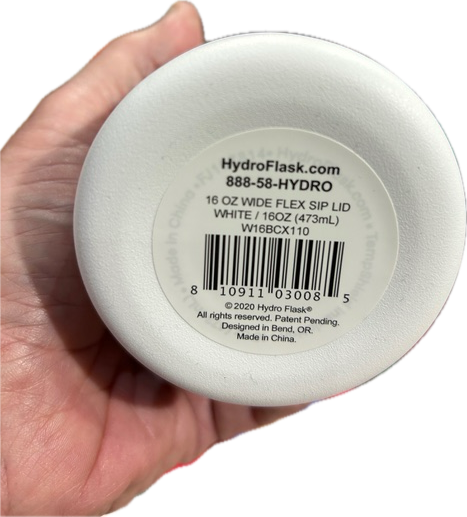
At the Washington Square store, for example, dozens of Hydro Flask bottles highlight that they are “Designed in Bend, Oregon”. The company’s website reinforces the message: “Our HQ is nestled in a Pacific Northwest wonderland–Bend, Oregon. We’re ridiculously lucky to have always been surrounded by mountains, rivers and lakes. It’s in our DNA. It shapes our products, people, and what we’re about as a company.”

But I looked closer at the bottom of the bottle and noticed, “Made in China”
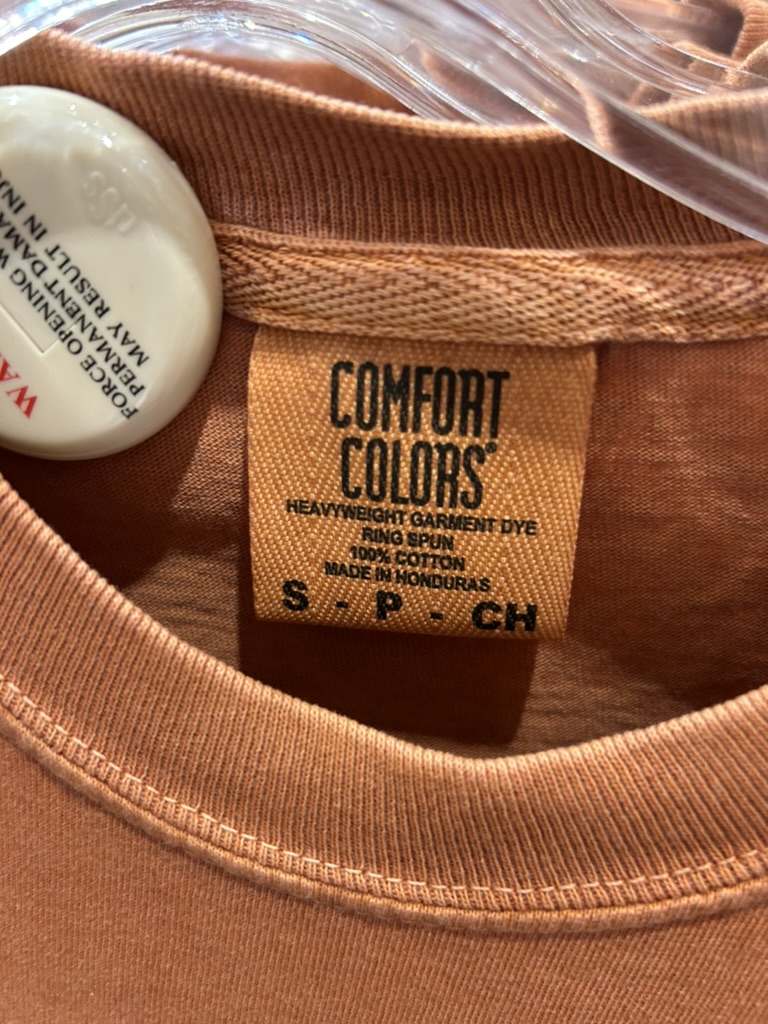
Then I checked out a “Comfort Colors” t-shirt. Turns out that was “Made in Honduras”.
Then I examined a “Greetings from Oregon” postcard.
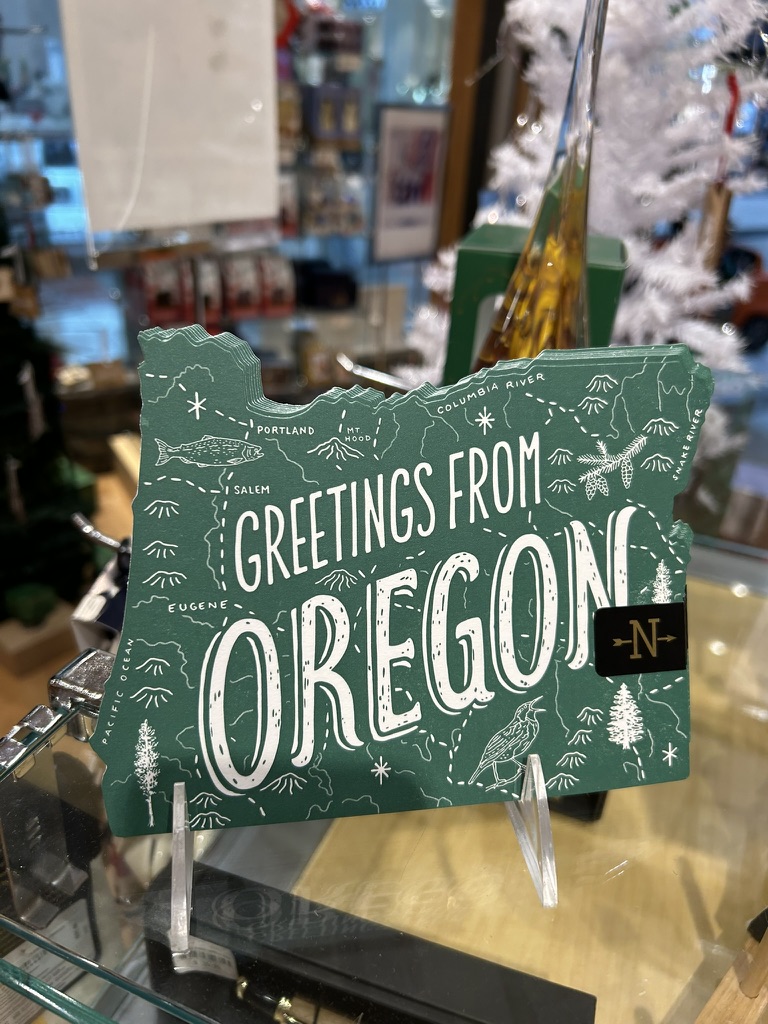
That was “Made in. Missoula, Montana”.

How about the Super Stretch “Replant Pairs” Portland Airport design socks I discovered? They were “Made by craftsman in JAPAN”.

How about the “Night-Night Portland” book for children. Surely that was made in Oregon.

Nope. Published by an Illinois company and “Printed and bound in China”.

Despite Made In Oregon’s deception, the state’s Travel Oregon agency still promotes the company’s website at TravelOregon.com, saying visitors will access “Local products made, caught or grown in Oregon”.

So much for truth in advertising.

So Much for “Made in Oregon”

Love Oregon and want to celebrate it this holiday season with a gift made here? Go to a “Made in Oregon” store, right? 

“We are proud to offer the highest quality products made by Oregon vendors since 1975,” the retailer proudly proclaims.

On its website, the company points proudly to how it opened its  first store at Portland International Airport in 1975 and has since  “…built a reputation as a purveyor of high-quality, local products made, designed, or grown in Oregon.”

But “made, designed, or grown in Oregon” leaves a lot of wiggle room and the company takes advantage, allowing companies with limited Oregon connections to sell their products at the Made in Oregon stores. It’s the word “designed” in Oregon that opens the door wide enough to drive a truck through, enabling “localwashing” to prosper.

Puffin Drinkwear, for example, sells quirky insulated beverage covers in the form of jackets , vests, parkas, sweaters and even mini-sleeping bags designed to keep 12 ounce cans and bottles cold or hot.

The Lumberjack from Puffin Drinkwear

The Bend-based company highlights its Bend, OR roots and has gotten a lot of media attention. The Colorado Sun, a widely read digital news outlet in Colorado, recently highlighted the company’s products because of its Bend ties. Uncommon Goods  pitches Puffin products as “CREATED IN OREGON BY Tyrone Haze, born and raised in the Pacific Northwest.”

But claiming they are “Made in Oregon” is a stretch. 

The FAQS section of its website says, “We work with a variety of manufacturers across the globe. We’ve thoroughly vetted each one to be ethical and good brand partners.”

I checked out the tags on Puffin Drinkwear products at the Washington Square mall’s Made in Oregon store and found they were “Designed in Bend” but “Made in” lots of other places, including China, Cambodia and Vietnam. None of the products on the shelves said they were “Made in America” or “Made in Oregon”.

A close look at multiple other products in the Made in Oregon store revealed the same deceit.

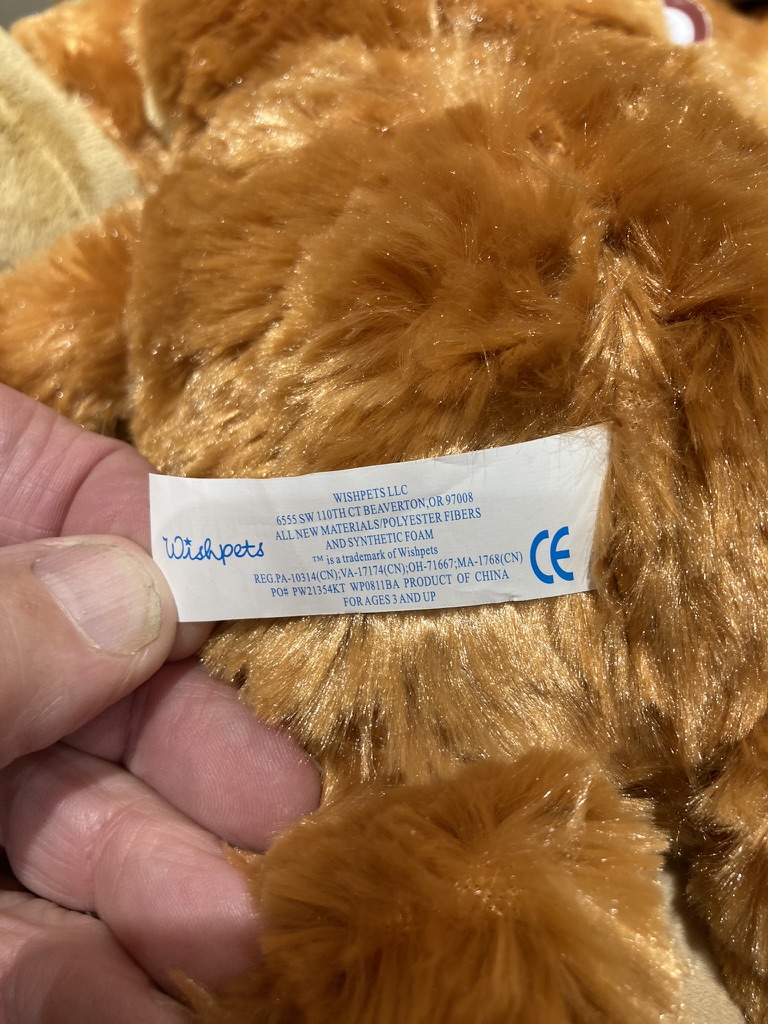
Take the Sasquatch-like plush bigfoot product made by Wishpets LLC of Beaverton, a “Leading designer and manufacturer of plush toys.” The bigfoot tag said “Product of China”. Elisa Martinez, a Marketing & Sales Assistant for Nature Planet | Wishpets®, said all of Wishpets’ products are made in China.

Plush bear from Wishpets

Other products on display that were clearly manufactured in other countries included a “Welcome to Oregon” bear also “Made in China”

and dozens of Hydro Flask bottles which, like Puffin Drinkwear, highlight that they are “Designed in Bend, Oregon”. The company’s website reinforces the message: “Our HQ is literally nestled into a Pacific Northwest wonderland– Bend, Oregon. We’re ridiculously lucky to have always been surrounded by mountains, rivers and lakes. It’s in our DNA.”

The website neglects to mention that Hydro Flask products are manufactured in China.

Then there were the organic cotton socks on display from “Replant Pairs”.

The socks are a product of Tabbisocks, which doesn’t even bother to say the socks are designed in Oregon. “Tabbisocks weaves Japanese craftsmanship from the East with big personality from the West,” it says. “Each sock is made with love in Nara ((Japan), a city steeped in tradition and advanced sock culture.” 

Displayed on the apparel racks were Oregon-focused t-shirts by Graphletics. The company’s website says it was founded by Rick Gilbert in his garage in NW Portland in 2013 and has grown into a brand that’s sold across the U.S. and internationally. Its flagship retail location in SE Portland was even recently written up in the New York Times as one of five places to visit as “Sellwood-Moreland has become easier to reach, the working-class enclave has drawn creative entrepreneurs and a young, hip crowd.”

Sure, the store has an Oregon vibe, but its t-shirt at Made in Oregon was “Made in Nicaragua”.

Come on Made in Oregon. You can do better.