Guilt tipping: service with a smirk

Remember when we used to tip for good service?
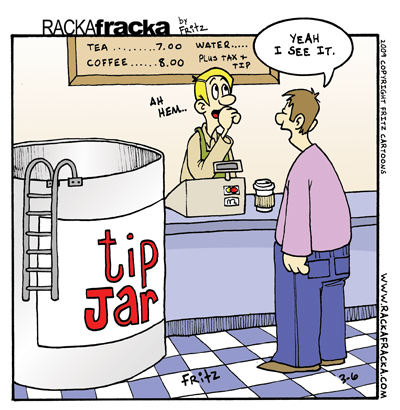
tip-jar-color-web

Gone into a shop lately and found yourself confronting a tablet screen turned toward you with various generous tip options? One option is “No tip”, but that requires a purposeful action the cashier and other customers in line behind you can see. So out of guilt, you hit one of the % options instead.

Point of sale system

Point of sale system

Face it, the merchant and the cashier are pressuring you to add a tip., using technology to taunt you.

At stores where you used to either not leave a tip or just dropped your change into a tip jar, now you’re being manipulated into tipping lavishly with point of sale systems. The practice is getting particularly egregious at businesses where you didn’t used to tip at all, but now feel pressured to do so.

It can get worse because of a business’ ability to customize the tip configuration on the screen. Most people tip between 15-20%. If you buy a $2.85 espresso and the screen offers 15%, 20% and 25% tip options, you are likely to hit 15%, generating a tip of 43 cents. If a business wants to jack that up, it can give you $1, $2, or $3 options on purchases below $10, instead of a percentage. If you pick $1, you have paid a 35% tip. Devious, but effective.

The dynamics also change when a waiter hands you a portable tablet to sign for your credit card purchase at your table. As a point-of-sale system company says on its website;

“Just think about it. If your wait staff hands over a portable device to a patron, that patron is more likely to add a larger tip since the transaction becomes more personal. It’s easy to leave a 10% or smaller tip on a table while you run out of a restaurant. It’s far more difficult for a patron to leave a tiny tip while the waiter is right next to you.”

It might make some sense at businesses like restaurants where the waiters and waitresses are getting state-approved hourly pay less than the minimum wage, with the expectation they will make up the difference in tips. But everywhere?

Give me a break!
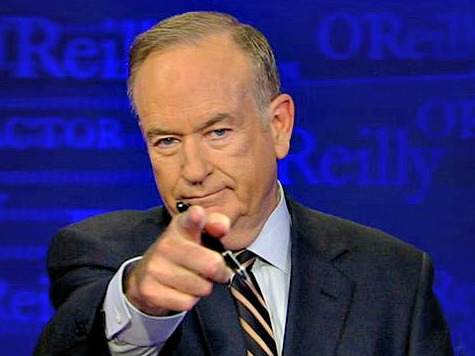
Observations on media: Bill O’Reilly’s excellent wartime adventures and gotcha journalism

Bill O’Reilly’s excellent wartime adventures

Oh come on now, Billy.

Bill O'Reilly

Bill O’Reilly

Just admit it. You misspoke, fabricated, misled. Oh hell, you lied. You’ve claimed you reported from the Falkland Islands during the 1982 conflict between Britain and Argentina. Now you’re saying you didn’t.

“I said I covered the Falklands war, which I did,” he says, citing how he covered popular protests in Buenos Aires, about 1,200 miles from the Falklands, as a CBS News reporter.

But the fact is that in 2001 he wrote in his book, “The No Spin Zone: Confrontations With the Powerful and Famous in America”:

“You know that I am not easily shocked. I’ve reported on the ground in active war zones from El Salvador to the Falkland Islands, and in chaotic situations like the collapse of the Berlin Wall and the Rodney King riots in Los Angeles.”

And in 2013, he said in a TV interview that he’d covered a protest “…in a war zone in Argentina, in the Falklands.”

Politico was right on when it noted that O’Reilly would likely attempt to dismiss the reporting on his lies by David Corn and Daniel Schulman of Mother Jones by dismissing them “…as left-wing zealots bent on his destruction.”

Yep.

Gotcha Journalism 

On the other side of the coin, eporters and opinionators are jamming Republican Gov. Scott Walker of Wisconsin with inane questions about things they don’t really care about, but give them a chance to be annoying.

Wisconsin Governor Scott Walker

Wisconsin Governor Scott Walker

It reminds me of when KOIN-TV played a gotcha game with five U.S. Senate candidates from Oregon in 1995, asking each of them seven questions. Congressman Ron Wyden got all seven wrong and suffered some embarrassment as a result. But few people would probably have gotten them right. One Wyden missed, for example, asked, “What is the average cost for a gallon of milk, a loaf of bread, a gallon of gas, and a pair of Levi’s jeans?”

And this was critical to serving effectively as a U.S. Senator?

In Walker’s case, a television reporter in London asked him whether he believes in evolution, the Washington Post asked him whether the president is a Christian, and reporters at a National Governors Association meeting in Washington hounded him on whether he agreed with former New York Mayor Rudy Giuliani who accused President Obama of not loving America.

Walker’s answers, and non-answers, generated media criticism of his qualifications, including an over- the-top opinion column in the Washington Post by Dana Milbank asserting that Walker had “displayed a cowardice unworthy of a man who would be president” and “…ought to disqualify him as a serious presidential contender.”

Let the campaign silly season begin.