Portland’s Proposed Ranked Choice Voting Reform Isn’t The Solution To Portland’s Dysfunction

Portland’s current government is a mess, for a lot of reasons.

In November, Portland voters will have an opportunity to vote on one proposed solution, presented as the following question: “Should City Administrator, supervised by Mayor, manage Portland with twelve Councilors representing four districts making laws and voters ranking candidates?”

Portland’s City Council now consists of a mayor and four commissioners, all of them elected at-large, with all of Portland’s voters eligible to vote in the race for each seat.

The proposal from Portland’s Charter Commission would remove the mayor from the council and expand the council to 12 members, three each from four geographic districts of equal population, each of which would be elected using ranked choice voting. An independent commission would determine the four district boundaries after the vote on the ballot question. 

With only 8% of Portland voters saying the city is headed in the right direction and 82% of Multnomah County residents being either somewhat or very worried about the future of their part of the state. there may be an inclination to support a radical change out of sheer frustration. But the commission’s solution isn’t the answer.

Expanding the City Council to 12 members is likely to make it more unwieldy, not less. Though, thankfully, the Charter Commission was somewhat restrained, not choosing an even bigger expansion, such as the 51-member City Council with which New York City is blessed.

The particular weakness of the commission’s proposal, though, is its reliance on a needlessly complex new system of ranked choice voting (RCV). In setting on this proposal, the Charter Commission shows itself to have been populated by naive zealots advocating change for change’s sake.

There are lot of ways to organize and count votes. Most of us are used to the simple proposition that the person with the most votes wins. 

“This system is the norm from grade school elections for class president to congressional elections, “Jeff Gill and Jason wrote in a Statistical Science article about voting. “However, not only is this merely one of many possible “democratic” procedures. it is also not the only system currently used in political life in the United States and around the world.”

RCV is one of those voting options.

In RCV, voters rank candidates in order of preference. If there are a lot of candidates, as there might be under the Charter Commission’s proposal, voters need to have a high level of information about all of them in order to choose preferences. You can’t just vote for the person and ideas you like. You must also educate yourself about all the other candidates in order to elevate, or dismiss, the ones you don’t.

Voters in RCV can identify their first choice, the next best and so on as they work their way down the list. If one of the candidates gets more than 50% of the first-choice votes in the first count, that candidate wins. If nobody gets a majority, there’s an “instant runoff” where the candidate with the fewest votes is eliminated and voters who had chosen that candidate as their first choice have their second choice counted instead. This process continues until one of the candidates gets more than half of the vote. 

Yep, it’s complicated. Too complicated. And prone to undesireable results.

For example, don’t assume RCV will always select a majority winner. In cases of what’s called “ballot exhaustion,” a voter’s preferences are eliminated so none of them are carried forward. In other words, the candidate who ends up with a majority of votes is elected with only the remaining ballots, rather than all the original ballots, meaning a winner can have fewer than half the votes of the original ballots.

The Center for Election Science says RCV’s weakness is particularly noticeable in competitive elections where more than two candidates have significant support. 

The center cited a Louisiana election in which there were three candidates. The vote mainly split between the three candidates, but it led to the elimination of the more moderate candidate who would have won in a two-candidate race against either of the other two. That sent the two more controversial candidates to the second round. 

“…with competitive elections there’s a tendency to squeeze out the center candidate,” the Center said, “which would favor more extreme candidates …”

There are even situations with RCV where ranking a candidate higher can hurt that candidate and ranking a candidate lower can help that candidate. This occurrence, happened in a 2009 election in Burlington, VT.

There, conservatives ranked their favorite candidate first and it got them their least favorite candidate as the winner. Had these conservative voters instead tactically placed their favorite candidate as second, then they would have gotten a much better outcome.

Bear with me as I explain. 

In the 2009 Burlington mayoral race, there were five candidates. The counts resulted in the following:

1st Round2nd Round3rd Round (Final)
Kiss (Progressive)2585 (29%)29814313
Wright (Republican)2951 (33%)32944061
Montroll (Democrat)2063 (23%)2554
Smith (Independent)1306 (15%)
Simpson (Green)35 (0.4%)
Write-Ins36 (0.4%)
Votes in Burlington, VT Mayoral election

According to the preferences stated by the voters on their ballots, however, if Democrat Montroll had gone head-to-head with either Progressive Kiss or Republican Wright (or anybody else) in a two-man race, he would be mayor. 

Montroll would have been favored over Wright 56% to 44% (a 930-vote margin) and over Kiss 54% to 46% (590-vote margin), majorities in both cases. 

In other words, in voting terminology, Montroll was a “beats-all winner” and a fairly convincing one. However, in this RCV election, Montroll came in third! And Kiss beat Wright in the final RCV round with 51.5% (252-vote official margin).

Confusing, yes, but real.

Another troublesome and risky situation can arise if a voter’s preferred candidate is neither a clear loser nor a clear winner. In such a case, ranking your favorite as first risks getting a bad candidate elected. And that bad candidate gets elected by RCV eliminating a superior compromise candidate too early.

Voters in this in-between state can either rank their favorite first and risk a bad candidate winning or not rank their favorite first, depriving that candidate of  much-needed support. Both of these outcomes are bad.

RCV can also founder when voters, because they are unfamiliar with all the candidates or simply by choice, vote only for their preferred candidate, ignoring the opportunity to rank the rest. 

The fact is, the more people a voter ranks the longer a ballot works for the voter. If there are five people on a ballot, you vote for only one and that one is eliminated in the instant runoff, your ballot is exhausted and has no impact on the race. It simply won’t factor into the final outcome.

On the other hand, pressure to rank all the candidates can lead to support for somebody the voter despises. In RCV, your vote for a candidate you hate can help that candidate move up. 

The fact is RCV is a solution in search of a problem. It’s simply too complex and unwieldy for voters to be asked to vote it up or down as part of a wide-ranging rearrangement of Portland’s city government.

Vote “No” on the Charter Commission’s proposal on the November 8, 2022 ballot..
Challenging Capitalism: We’re Not A Rich Country; Just Some Of Us Are

Sometimes when I read the Wall Street Journal’s special section on real estate, aptly named “”Mansion”, where ostentatious multimillion dollar homes and their over-the-top owners are featured, I find myself muttering, somewhat in jest, “Next, the revolution.”

Economic inequality, in America, whether measured through the gaps in income or wealth between richer and poorer households, is widening and too many Americans are living on the edge.
If you want to see part of where America is headed, visit Manhattan’s 1,550-foot-tall 131-story Central Park Tower. 

Central Park Tower, 217 w. 57th St., New York City

With 179 luxury residences on so-called Billionaires Row, it’s “Above All Else – The Tallest Residential Tower in the world,” its promoters say. 

The condominium building contains an outdoor swimming pool with poolside food and beverage service, a cabana deck, ,a private park, a Living Room where residents can lounge with billiards, a dramatic movie screening room, a  double-height windowed sports court, an indoor pool and spa, a high-tech fitness center, a beauty lounge, the highest Grand Ballroom and private restaurant ever built in New York (no stranger to excess on the 100th floor, with menus created by a coterie of Michelin-starred talent, including Chefs Alfred Portale, Laurent Tourondel and Gabriel Kreuther, all overseen by lifestyle director Colin Cowie, a corner sky lounge featuring a wine cellar (how do you get a wine cellar in a sky lounge?) and cigar humidor (a potential Bill Clinton hangout?). To top, or bottom, it all off, there’s a retail partnership with a seven-floor 320,000 sq. ft. flagship Nordstrom store that sits at the building’s base. Whew!

And all this , according to StreetEasy, can be had for an average price of $21,888,000, based on currently active sales as of June 2022.  That’s $6,752 per sq ft.  

The team creating the building crafted “an Iconic Building and an Unmatched Living Experience” says its marketing site

From a slightly different perspective, the complex can also be a veritable cocoon for its super-wealthy clientele. They can, if they choose, exist almost entirely within the shimmering icicle-shaped supertall structure, avoiding rubbing against the masses, the hoi polloi, on the streets of New York.

In its self-contained exclusiveness, the Central Park Tower and Billionaires Row in general are much like an increasing number of other American geographies where the rich gather and mix only among their own kind. 

Take Malibu, CA, for example.

I rode through the coastal town a few years ago on a bicycle ride from Oregon to Mexico. It was a uniquely beautiful place.

Malibu from my bike.

The Wall Street Journal recently wrote about the shift in Malibu, once  a village with a bohemian character.

 “About three decades ago, Beverly Hills native Andy Stern moved to the nearby beach city of Malibu to raise his young family.,” the story noted. “He quickly came to know all his neighbors, he said, recalling block parties with children pouring onto the streets to play together. Now Mr. Stern…said he barely sees his neighbors in the Broad Beach area, because they are rarely there. The families that once lived in the neighborhood have largely been replaced by celebrities and billionaires…”

Malibu Beach Houses

So many rich people now own prime property in Malibu as just one of their many properties, but don’t really live there, that the town’s full-time population has actually fallen in recent years.

As for families with young children, forget it.  Public school enrollment has declined by more than half in the past 20 years.

And if you want to stay at a local hotel and mingle with the Malibu rich, the old low-key Casa Malibu Inn on a private beach has become the Japanese-inspired Nobu Ryokan Hotel, where rates start at $2,000 a night (BTW, I’ve stayed in ryokans in Japan and this is a faux ryokan).

Then there are other high-end US communities that serve as sanctuaries for the wealthy, such as Atherton, CA; Greenwich, CT; Highland Park, TX (a Dallas suburb); Jackson Hole, WY; and Paradise Valley, AZ.

But it is an illusion to think that only the filthy rich are isolating themselves into enclaves. The well-off-but-not-filthy-rich (WONFR) folks do, too. They live in places like Highland Park, Il, (Median family income: $147,067), Bow Mar, CO, Chevy Chase, MD and well-off but still far down the average median income list, Lake Oswego, OR (Median family income: $114,444).

But beneath this sheen of wealth are an awful lot of struggling Americans. 

With periodic interruptions due to business cycle peaks and troughs, the incomes of American households overall have trended up since 1970, according to Pew Research, but the overall trend masks how the gains were distributed.

Most of the increase in household income was achieved from 1970 to 2000. when median income increased by 41%, to $70,800, at an annual average rate of 1.2%. From 2000 to 2018, the growth in household income slowed to an annual average rate of just 0.3%, Pew said. Not only that, the growth in income  tilted to upper-income households while the U.S. middle class, which once comprised the clear majority of Americans, has been shrinking. In other words, a greater share of the nation’s aggregate income is now going to upper-income households while the share going to middle- and lower-income households is falling. 

In recent years, the share of all income held by the top 1% has approached or surpassed historical highs. In 2015, The top 1% took home 21% of all the income in the United States. By 2021, the share held by the top 1%, about 1.3 million households, had risen to 27% 

In 1980, households at the top had incomes about nine times the incomes of households at the bottom. The ratio increased in every decade since 1980, reaching 12.6 in 2018, an increase of 39%.

This isn’t exactly a new discovery.

In 2011, President Obama commented on the rise of inequality in a Osawatomie, KS speech. “…over the last few decades, the rungs on the ladder of opportunity have grown farther and farther apart, and the middle class has shrunk,” he said.

In Jan. 2012, Alan B. Krueger, Chairman of the Council of Economic Advisers, expanded on Obama’s remark in a speech to the Center for American Progress (CAP).  Using a graph showing the annualized growth rate of real income for families in each fifth of the income distribution over two periods, he explained that all quintiles (fifths) of the income distribution grew together from the end of World War II to the late 1970s, but since the 1970s income grew more for families at the top of the income distribution than in the middle, and shrank for those at the bottom.

“We were growing together for the first three decades after World War II, but for the last three decades we have been growing apart,” he said.

Krueger outlined what he called the Great Gatsby Curve, the connection between concentration of wealth in one generation and the ability of those in the next generation to move up the economic ladder compared to their parents.

The curve shows that children from poor families are less likely to improve their economic status as adults in countries where income inequality was higher – meaning wealth was concentrated in fewer hands – around the time those children were growing up,” a White House post explained later.

Not only that, but the largest shares of adults in upper-income households are congregating in certain areas of the country, particularly metropolitan coastal areas of the Northeast and California. They tend to be in high-tech corridors, or in financial and commercial centers, such as Boston-Cambridge-Newton, MA-NH,  Hartford-West Hartford-East Hartford, CT and San Jose-Sunnyvale-Santa Clara, CA.  

The New York Times recently reported that residents are increasingly being buffeted by economic tides that push them into neighborhoods that are either much richer or much poorer than the regional norm. In other words, a smaller share of families are living in middle-class neighborhoods. 

“In some ways, the pattern reflects how wealthy Americans are choosing to live near other wealthy people, and how poorer Americans are struggling to get by,” the paper reported. “But the pattern also indicates a broader trend of income inequality in the economy, as the population of families making more than $100,000 has grown much faster than other groups, even after adjusting for inflation, and the number of families earning less than $40,000 has increased at twice the rate as families in the middle.”

In Portland, OR, for example, the share of families living in middle-income neighborhoods changed from 70% to 56% from 1990 to 2020.

Even during the pandemic, when most Americans fared well financially, the rich saw most of the gain. According to the Federal Reserve, while American households overall saw about $13.5 trillion added to their wealth, the top 1% got a third of that and the top 20% 70% of it.

Meanwhile, some states are becoming pockets of poverty. According to the U.S. Census Bureau, states and territories with the highest percentages of poverty in the country in 2020 were: Mississippi, Louisiana, New Mexico, Kentucky, Arkansas, West Virginia, Alabama, the District of Columbia, South Carolina, and Georgia.

The new economic reality of reduced income – and even poverty –  for many Americans is all too familiar in many parts of the United States. For decades, small towns and cities across the country have been devastated by deindustrialization and job losses. In these places, incomes are generally low, poverty rates are high, and many residents depend on government assistance, like SNAP (food stamps), to afford basic necessities.

A particular challenge facing well-off areas of the country is that the people who provide all the services can’t afford to live there. 

I still remember a time early in my career, when I was working for a community development firm. A builder was planning a large-scale new town development in a largely rural area in the south, with shopping centers, restaurants and other amenities.  When I noticed it included only high-end homes, I asked him where all the service workers were going to live. He’d never thought about that.

We are seeing the emergence of this problem in Bend, OR, which has seen  skyrocketing growth in recent years. That has translated into skyrocketing home prices and rent increases, squeezing out those with modest incomes.

Booming Bend, OR

“Central Oregon’s housing affordability and availability crisis is comprehensive in scope and impact,” said a May 2019 Central Oregon Regional Housing Needs Assessment. And the situation has continued to deteriorate.

HUD defines affordable housing as total housing costs that are no more than 30% of a household’s total gross income. For rental housing, total housing costs include rent plus any tenant-paid utility costs. For homeowners, they include mortgage payments, utilities, property taxes, homeowners insurance, and any homeowners’ association fees. 

The 2019 Needs Assessment showed that more than half of renters in Deschutes County spent more than 30% of their income on housing and just over a quarter spent more than 50%.

Meanwhile, young working families are finding it ever harder to buy a home in Central Oregon. “Central Oregon has seen significant in- migration of people from the Bay area, Seattle, Portland and elsewhere, who sell their house and are able to buy a house here with money left over, said Jon Stark, Senior Director of Redmond Economic Development, Inc. “However, younger people who are starting out earlier in their careers are having a harder time. The wages people earn and the price to buy a home or rent is out of balance.” 

But why fret, say some. We’ve always had inequality in the United States, such as in the Gilded Age, in the late 1800s and early 1900s and we’ve always had people who flaunt their wealth in many ways. 

“Back then, it was about masquerading as European nobility at lavish balls in elegant hotels like New York’s Waldorf-Astoria, locked down to forestall any unpleasantness from the street (where ordinary folk were in a surly mood trying to survive the savage depression of the 1890s),” Steve Fraser wrote in Salon. “Today’s “leisure class” is holed up in gated communities or houseoleums as gargantuan as the imported castles of their Gilded Age forerunners, ready to fly off — should the natives grow restless — to private islands aboard their private jets.”

But economist Gabriel Zucman, whose doctoral advisor was the historical economist Thomas Piketty, author of “Capital in the Twenty-First Century,” released data in 2021 arguing that things are worse today.

In 1913, at the end of the Gilded Age, the Rockefeller, Frick, Carnegie, and Baker families – names all tied to monopolistic power – held 0.85% of the country’s total wealth, Zucman said.

As of mid-2021, the top 0.00001% richest people in the U.S., composed of just 18 families, held 1.35% of the country’s total wealth. Wealth concentration at the very top exceeded the peak of the Gilded Age, he said.  

The richest 0.01% — around 18,000 U.S. families — have also surpassed the wealth levels reached in the Gilded Age. These families hold 10% of the country’s wealth today, Zucman wrote. By comparison, in 1913, the top 0.01% held 9% of U.S. wealth, and a mere 2% in the late 1970s.

It’s too simplistic to say that the increasing share of income and wealth among the richest Americans is a threat to capitalism, but as David Autor, a professor at MIT put it in response to an Initiative on Global Markets survey, the widening split is a symptom of dysfunction. “It’s a threat to people’s belief in capitalism as an institution of economic governance. Absent shared belief, we are in trouble.” 

Even moreso if the next generation of highly civilized, excessively woke philanthropy activists are hostile to capitalism itself when they take charge and forget that the money they are so gladly using came from capitalists.

Is It Time To Bring Back “Bum”?

On June 17, Portland’s alternative weekly, Willamette Week, posted a story titled, “Tires Slashed, Mirrors Shattered Along Laurelhurst Street Where Tensions Between Neighbors and Houseless Residents Continue to Escalate.” 

“Houseless residents”? 

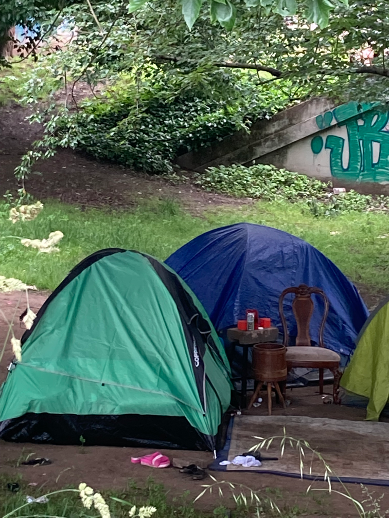
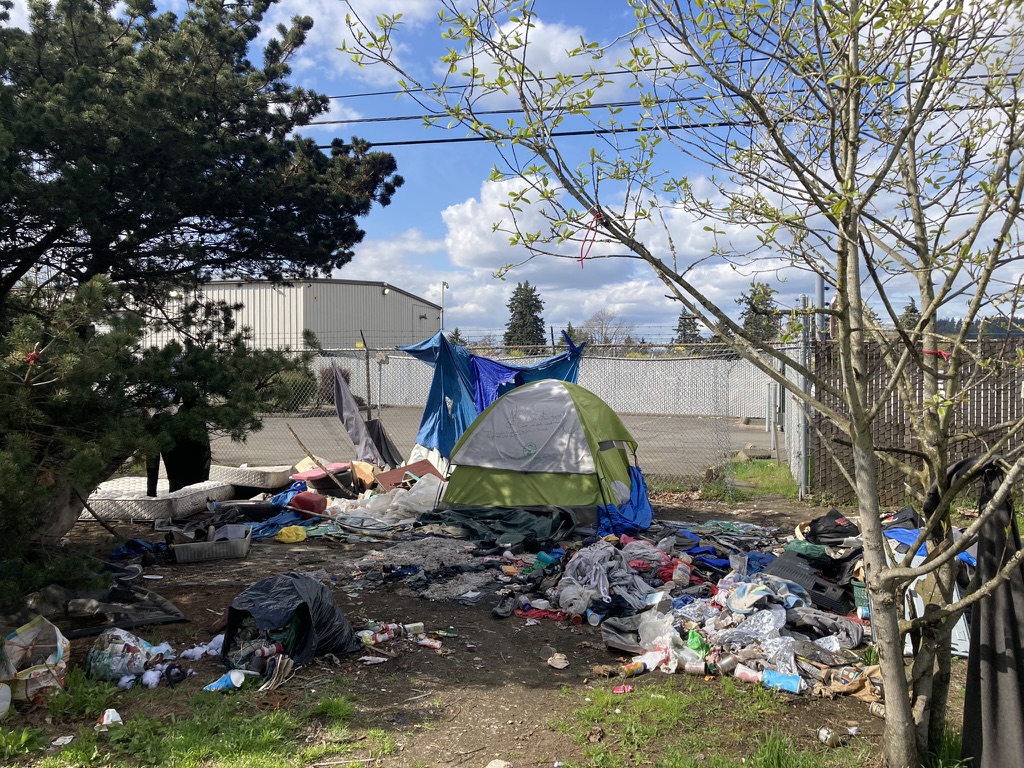
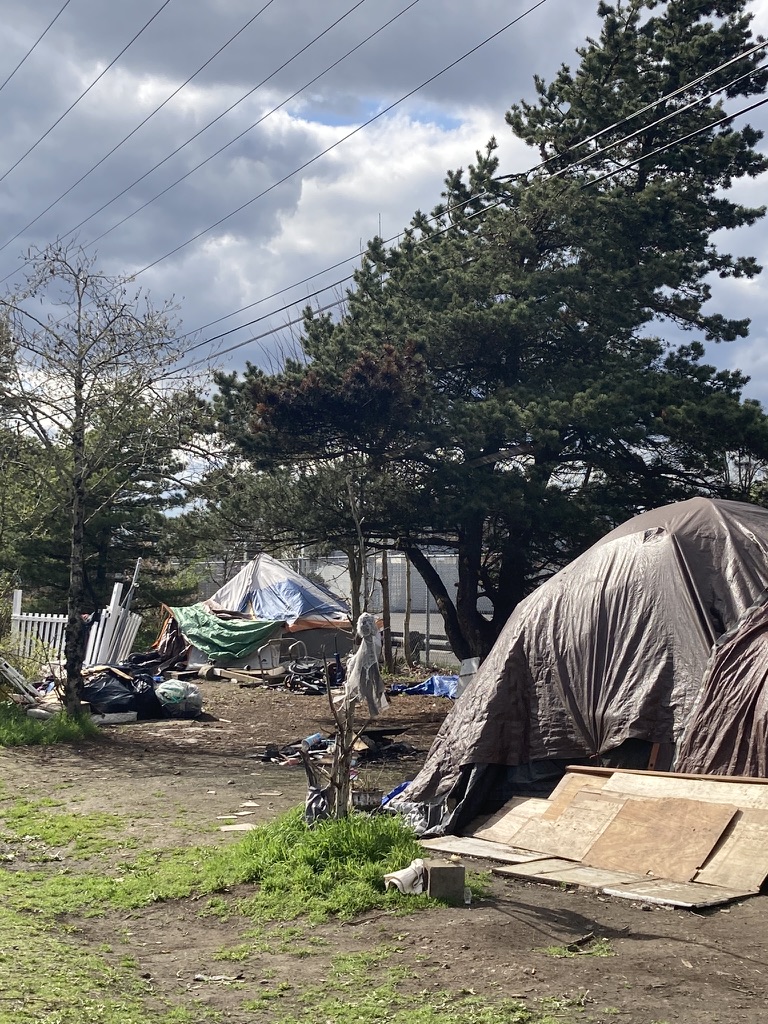
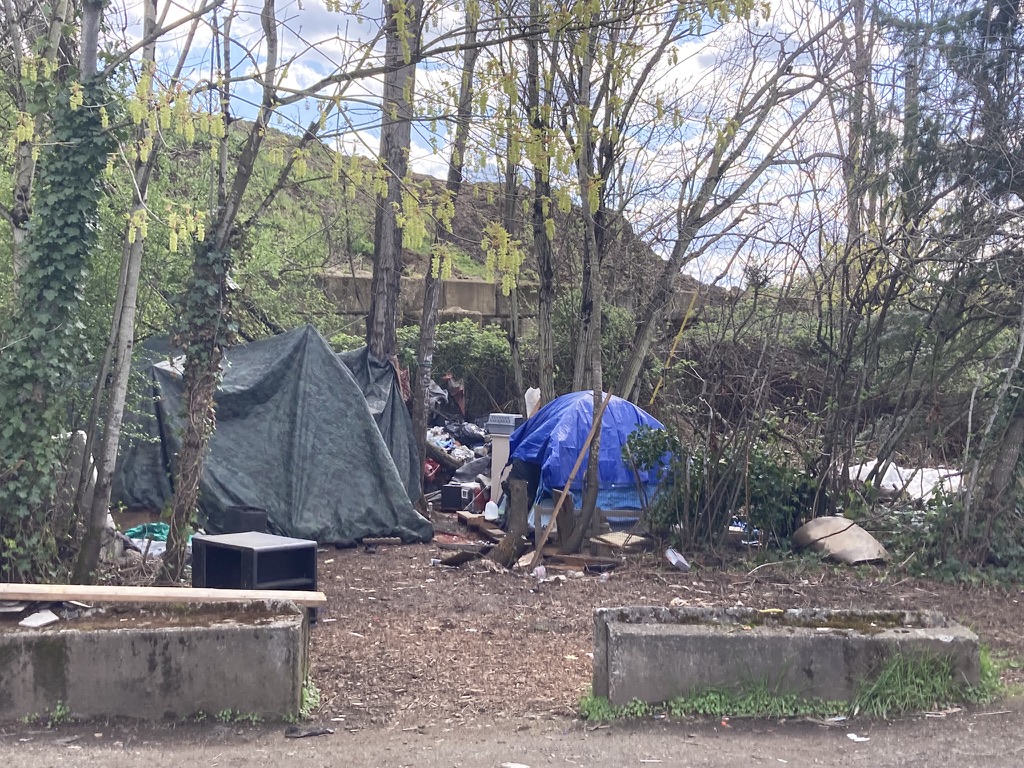
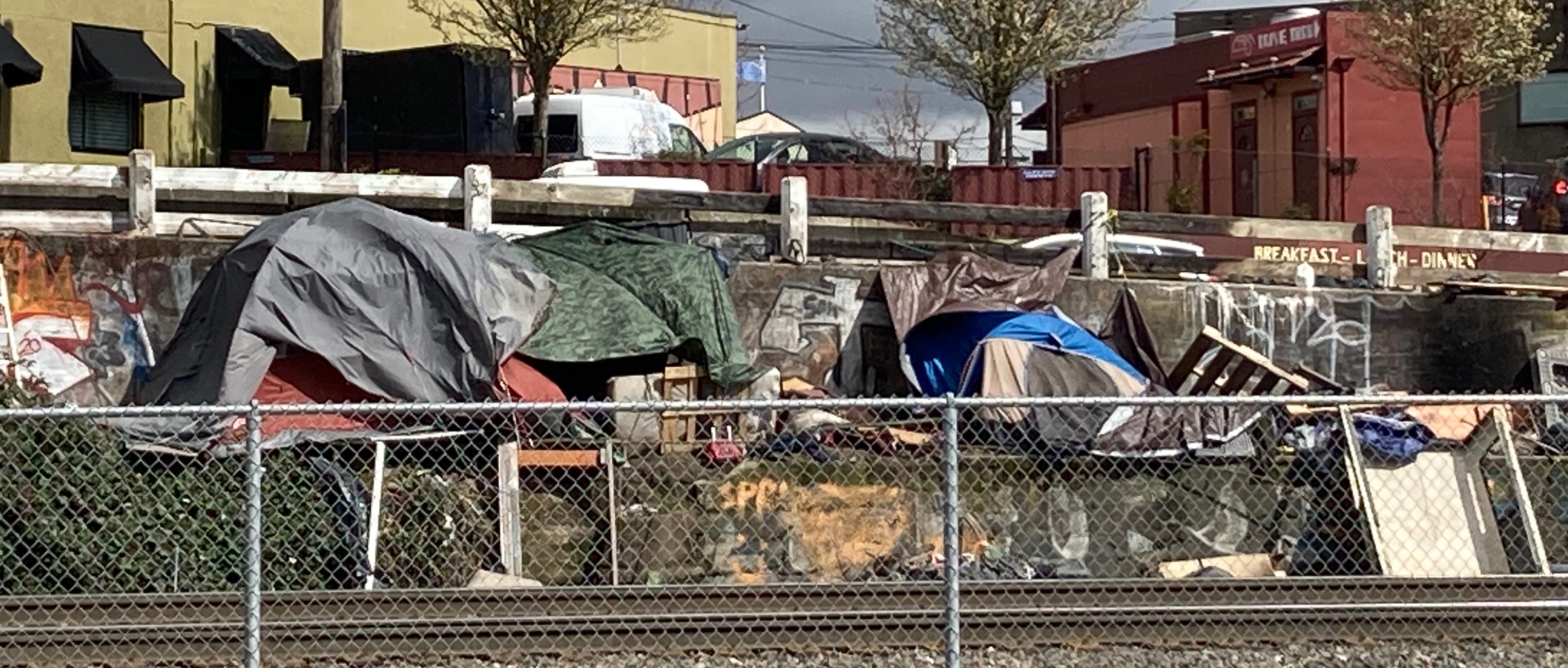
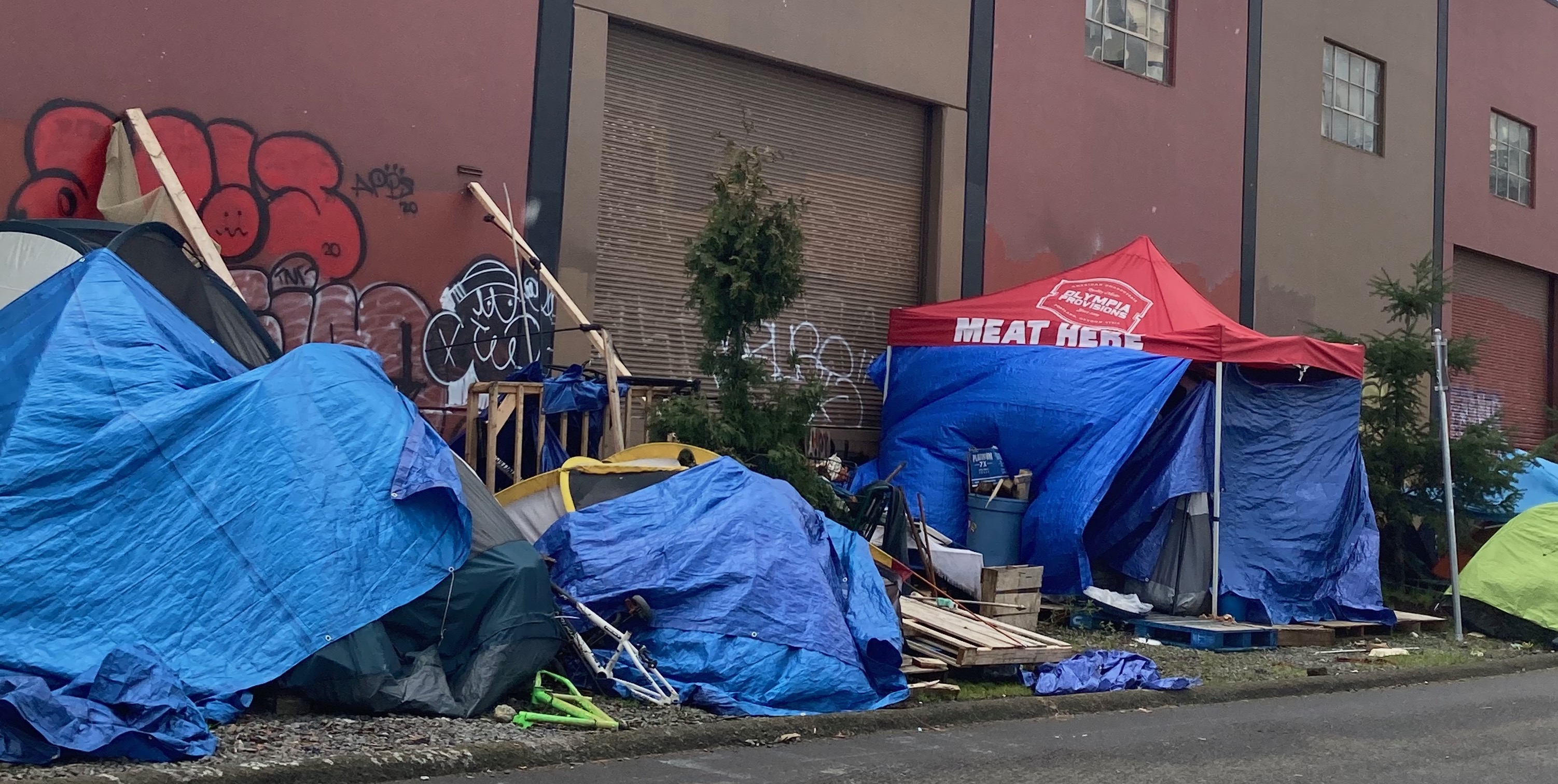
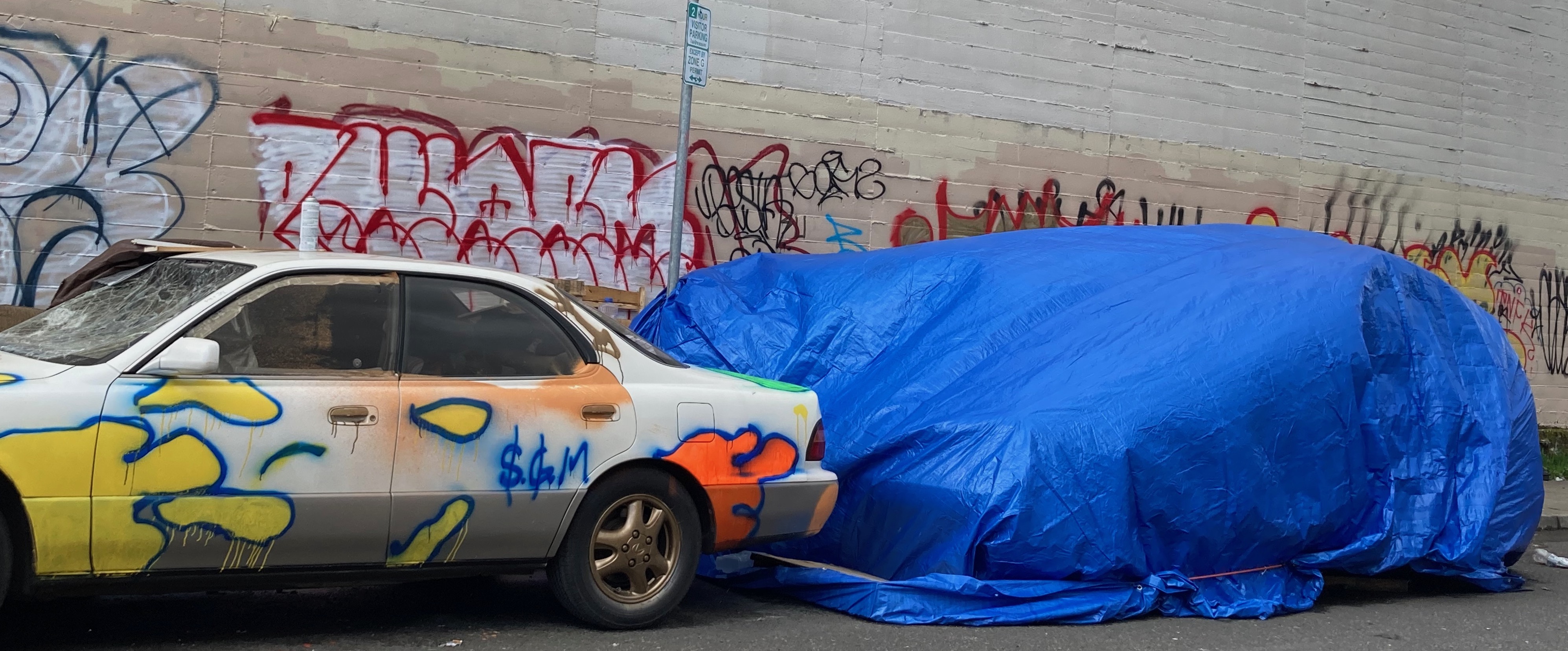
How did the media and much of liberal Portland get to the point where people who slash tires, shatter car mirrors, rip out landscape lights, overturn trash and recycling bins, destroy landscaping and damage parking strip trees are simply described as “houseless,” as though that’s their defining characteristic? 

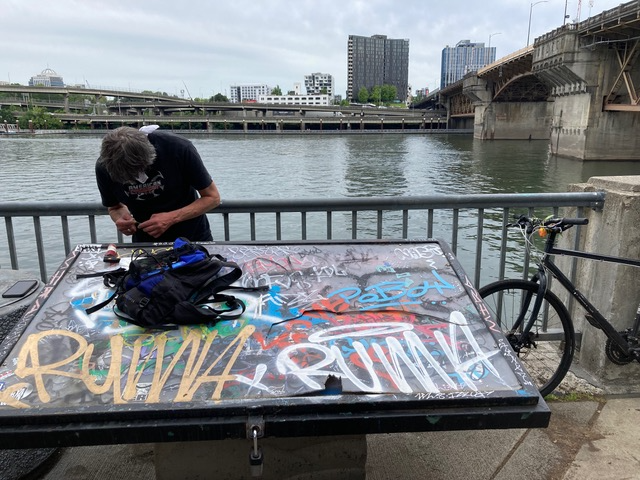
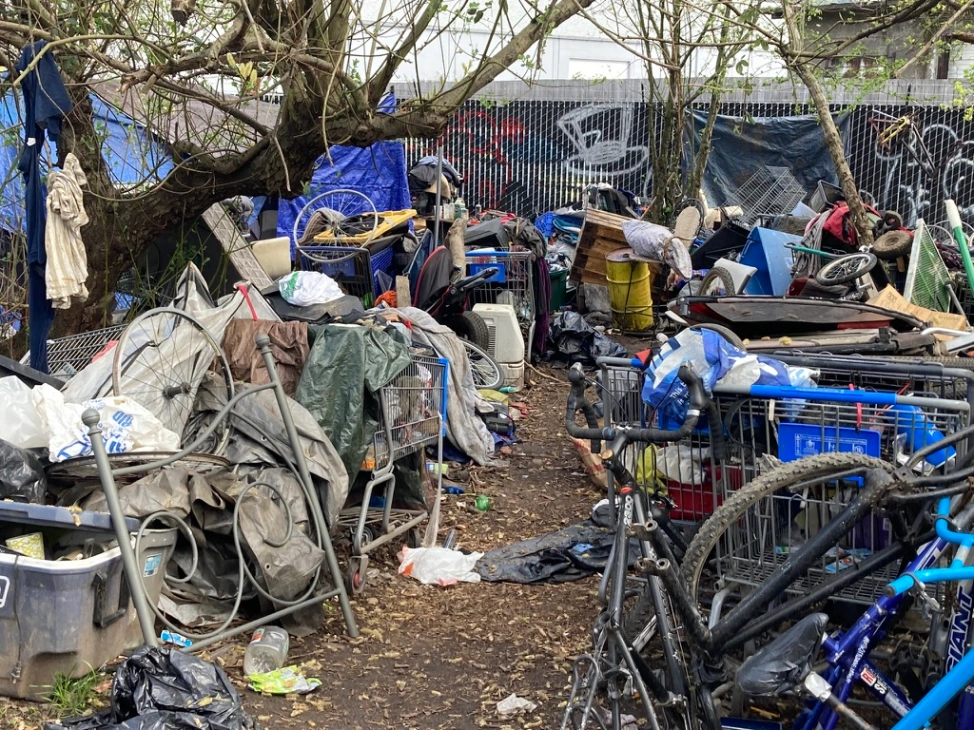
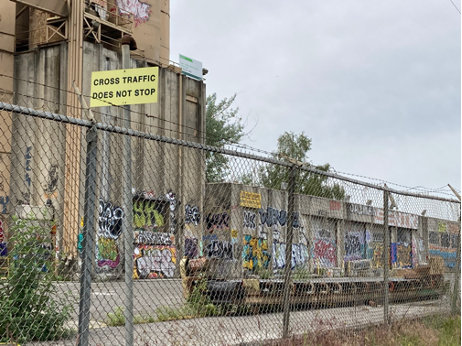
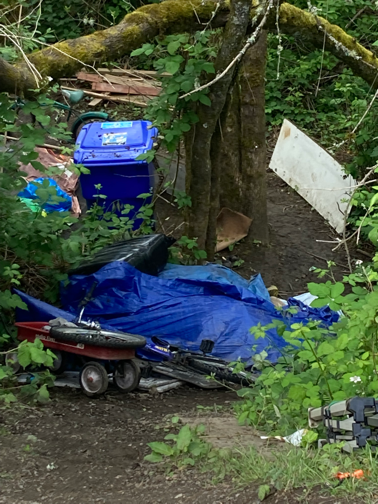
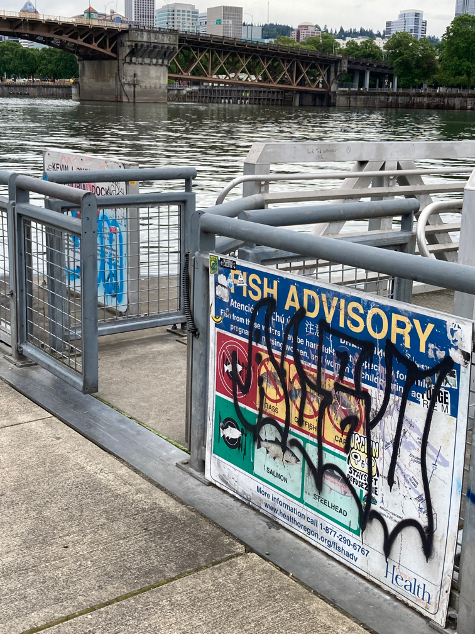
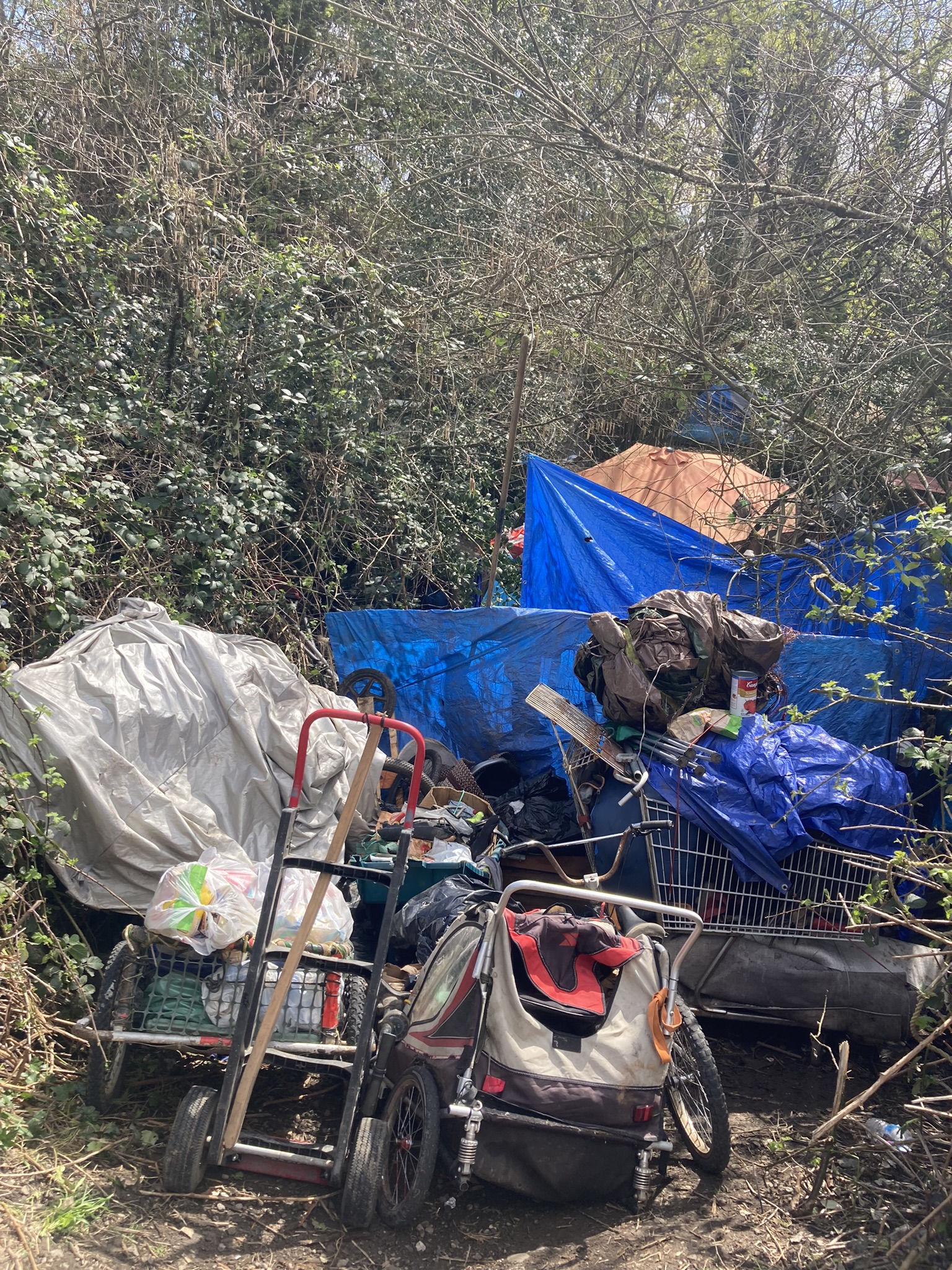
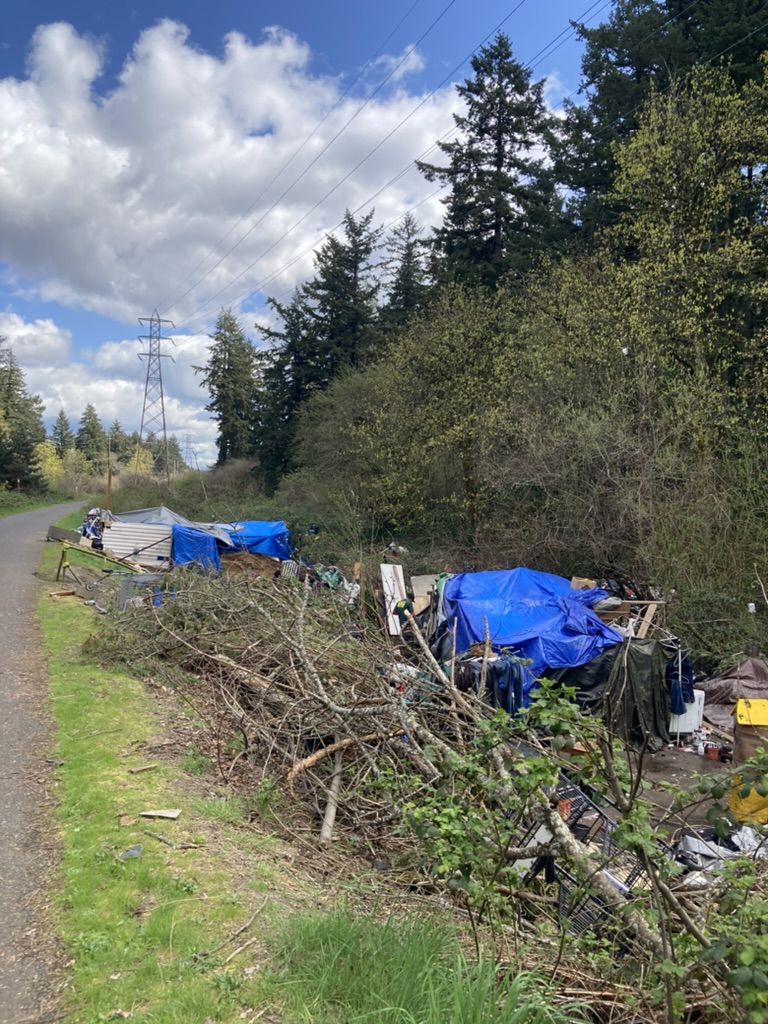
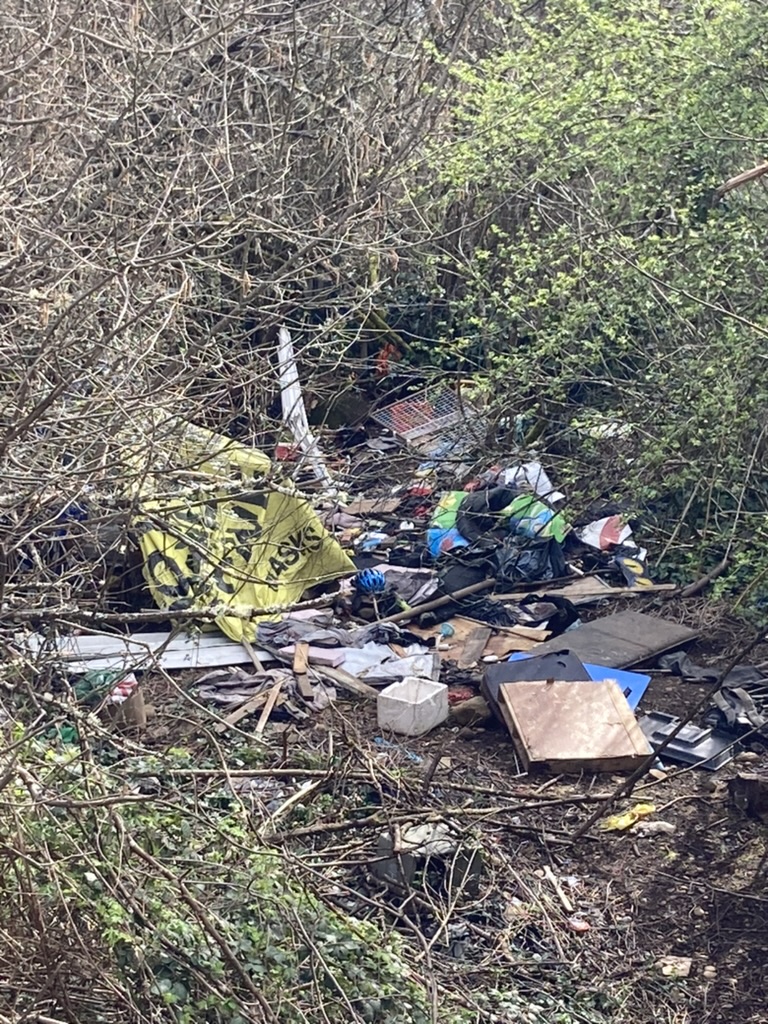
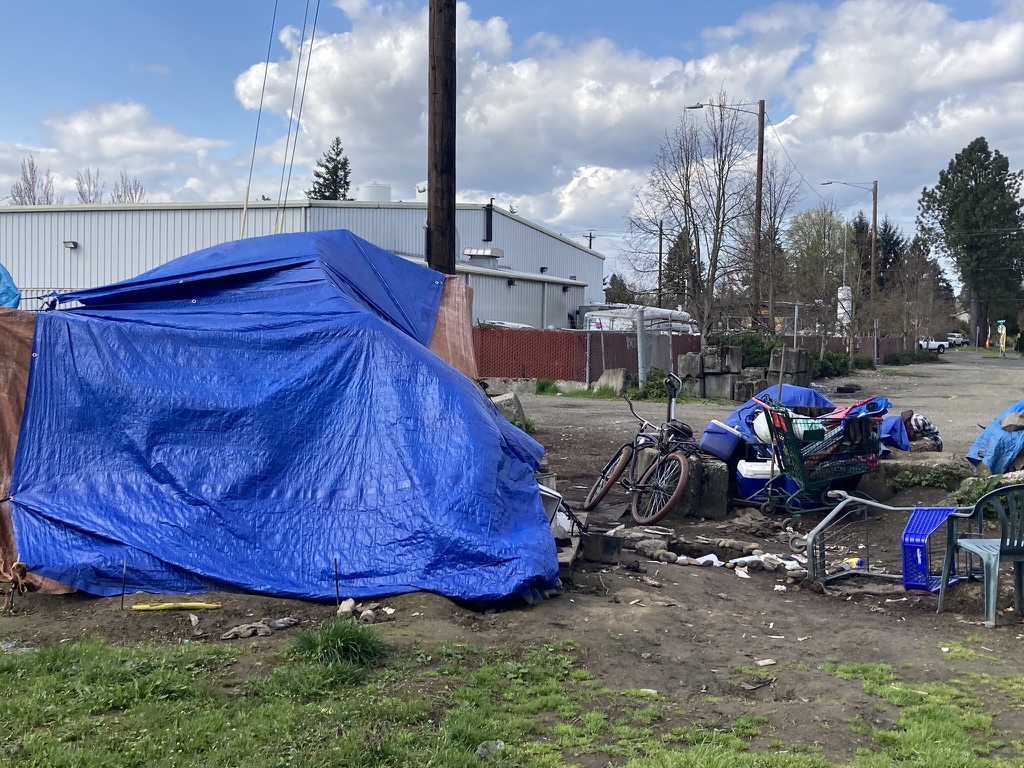
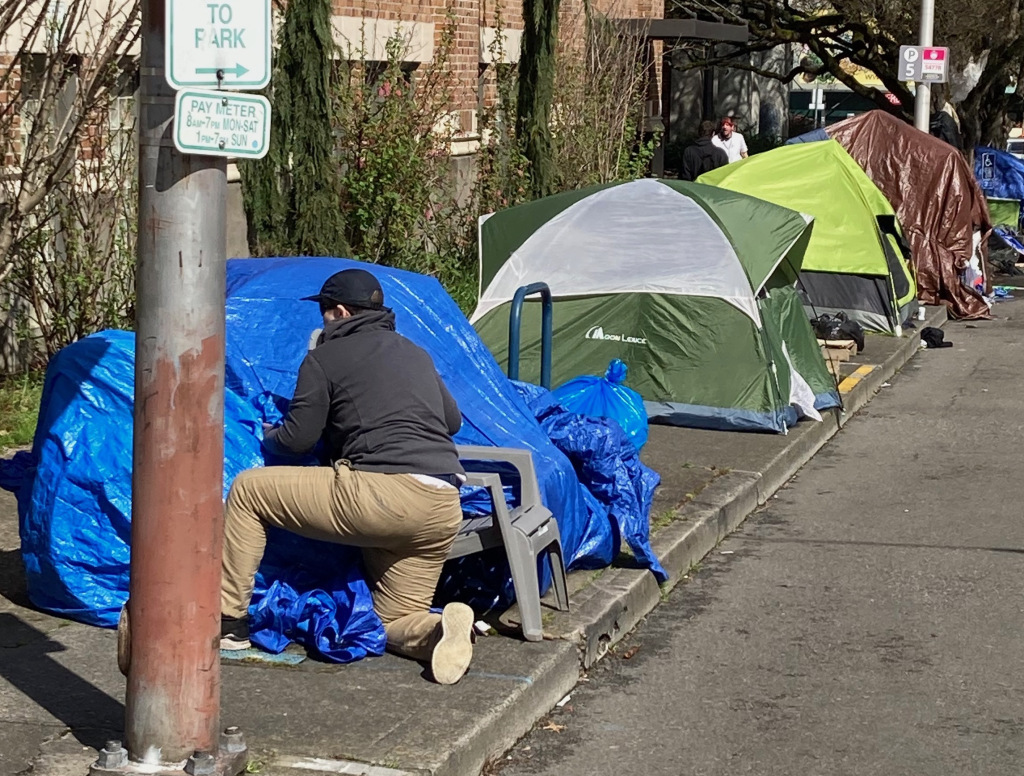
How did we get to the point where people doing this:

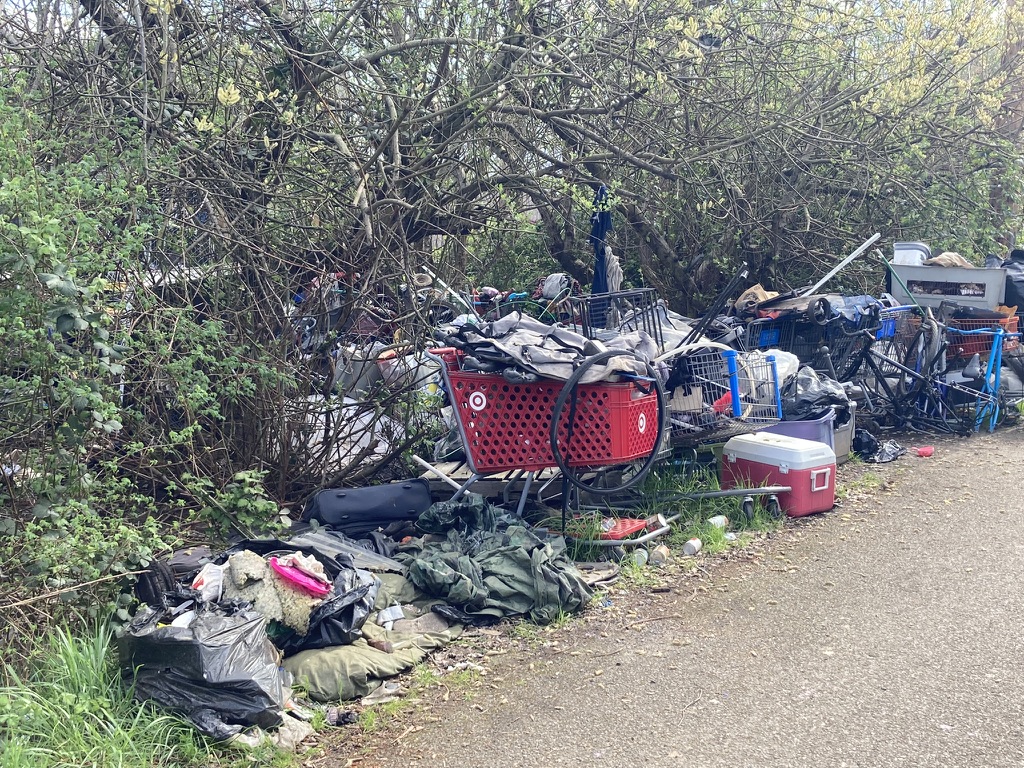
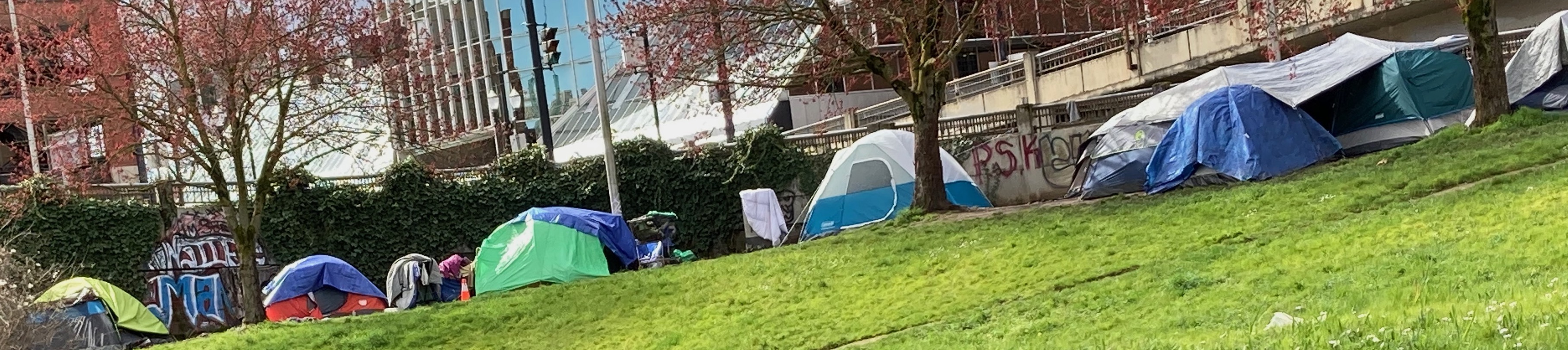
or this:

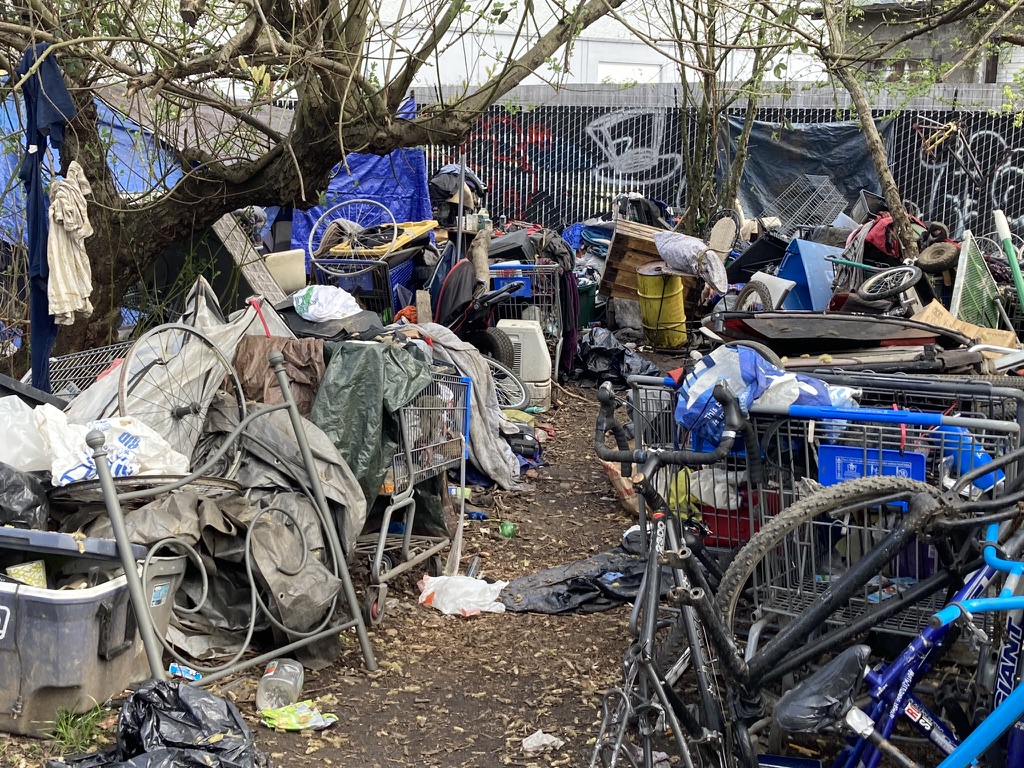
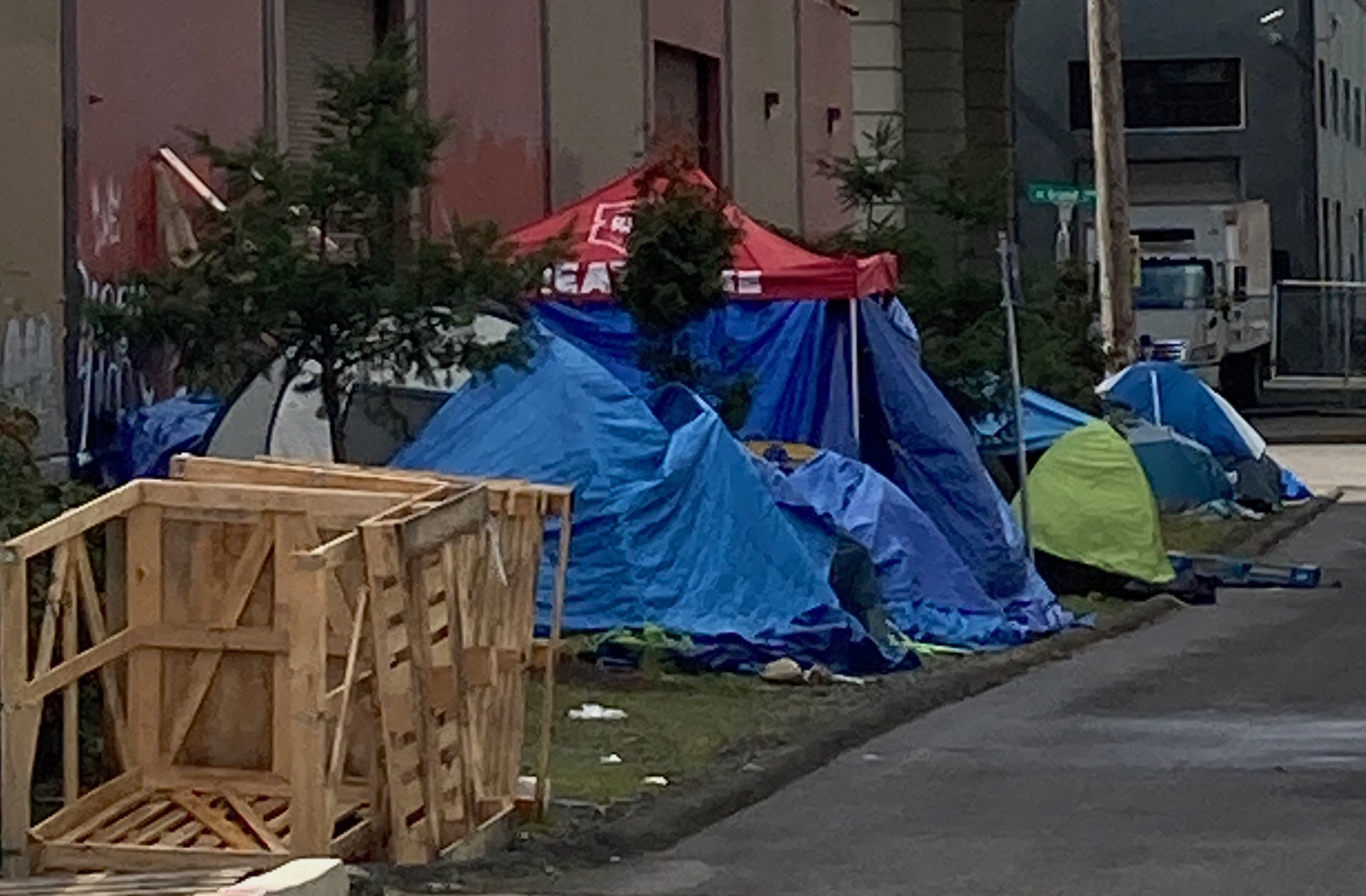
or this:

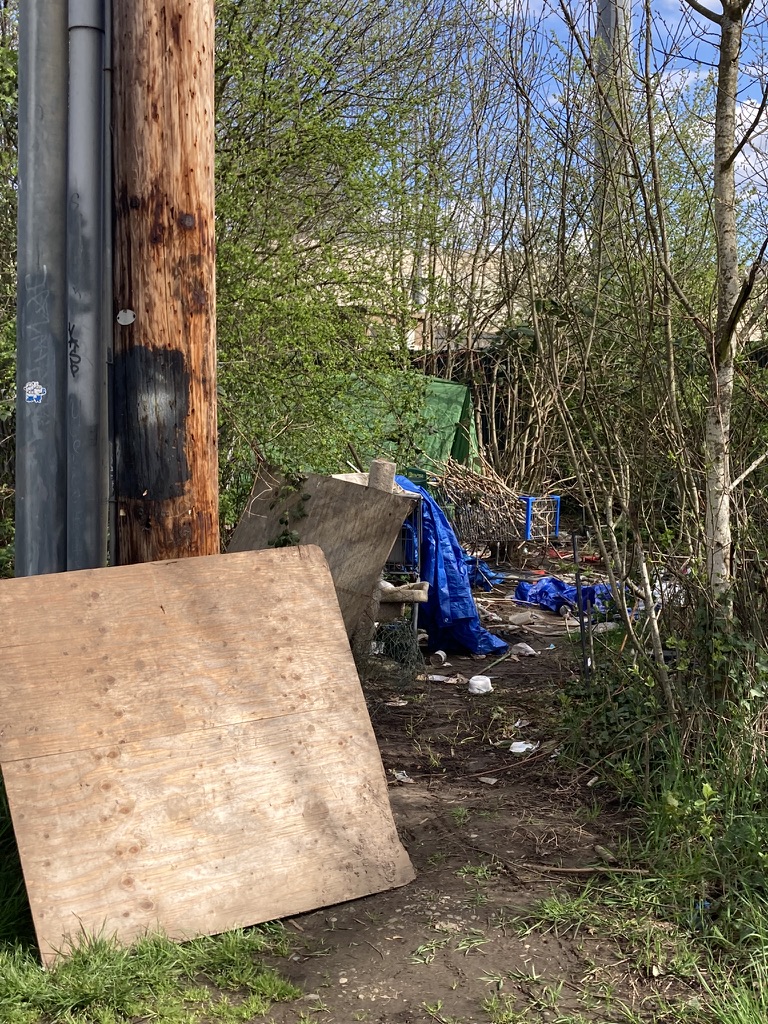
are excused because they are “homeless” or “houseless” or some other insipid term? That’s just plain criminal.

Some would say calling some people bums is offensive, callous and unfeeling, that it’s not “fair” to lump people together for any reason.

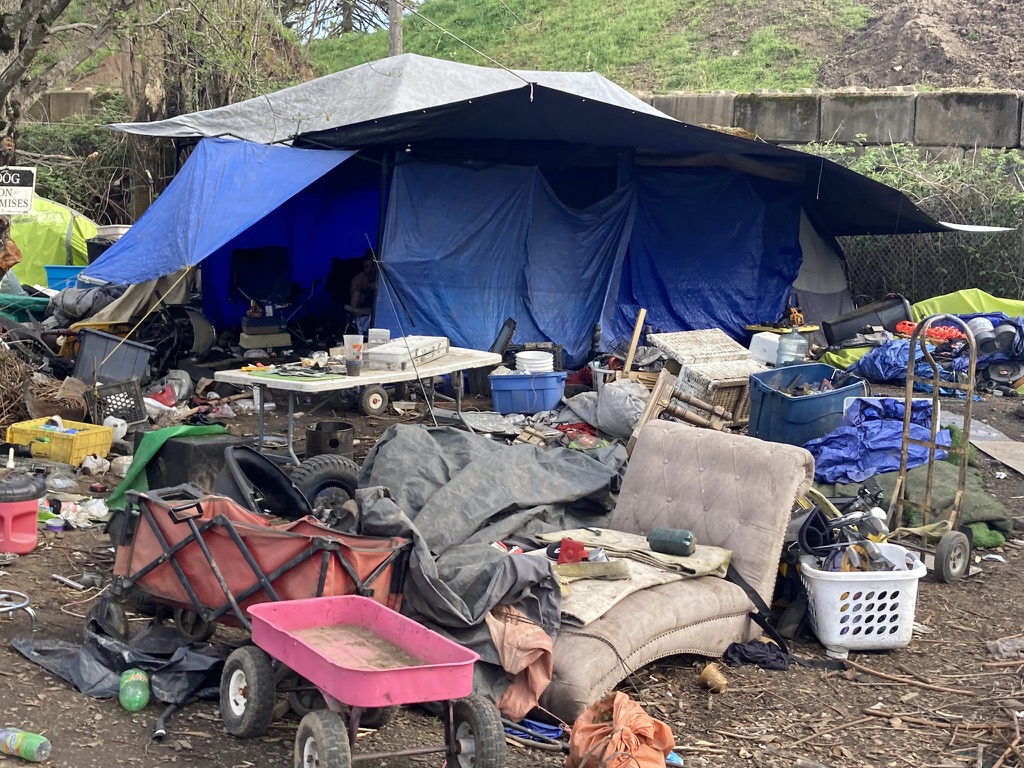
Being homeless or houseless should not be a free pass to a different set of behavioral expectations. Being homeless doesn’t give somebody license to break into a small business, deface property with graffiti, shoot at each other and unsuspecting pedestrians, bury sidewalks and parkland under trash and garbage, pollute waterways , steal and chop up bicycles and cars, openly sell and buy drugs, assault  random passers-by and litter private properties with discarded syringes.

On June 20, KGW8 television reported on incidents at a tent site on the corner of Southeast 33rd Avenue and Powell Blvd. in Portland next to Grover Cleveland High School’s track and sports field. 

“We live in a war zone basically and there’s nothing I can do,” said Elias Giangos, who said he’s lived in the neighborhood for the past seven years. He and his wife plan to move out at the end of the month. Giangos said he was assaulted multiple times by those living at the campsite. Scars from the time he was stabbed by someone living at the campsite disfigure his left arm.

“Even when I was getting assaulted, we called the police, there’s no response,” he said.

Things recently got so bad with the so-called homeless around Multnomah County’s Gladys McCoy Building in Portland across from Union Station that the county hired a firm to assess the risks to county employees and recommend responses. 

According to the Physical Security Vulnerability Assessment of the area in and around Multnomah County’s Gladys McCoy Building prepared by Eric Tonsfeldt / Operations Manager – Foresight Security Consulting, “The density of unsanctioned homeless camping immediately around the McCoy Building represents the most immediate, consistent, and palpable threat to the safety and security of the employees and contractors in the McCoy Building.”

“The building is currently surrounded by ongoing, frequent drug abuse and distribution, violence, and aggression within dense areas of unsanctioned houseless camping.,” the report said. 

The report said the following crime occurred just within the 1/8-mile area centered on the McCoy Building between 7/19/2020 and 7/18/2021: 33 assaults, 79 instances of larceny, 7 instances of vandalism and 35 drug/narcotics offenses.

Those aren’t the to-be-ignored actions of “the homeless.” They’re the actions of vagrants, malcontents, addicts, crooks, criminals….bums.

.

Portland Gets an “F ” on Fiscal Honesty

Portland has been trying to pull fast one. 

The city claims it “operates on a tough set of financial controls” to ensure it balances its annual budget. 

It doesn’t.

According to a report recently released by a nonprofit, Truth in Accounting (TIA), in order to “balance the budget” Portland has been failing to include its true costs, pushing costs onto future taxpayers. 

“Despite receiving support from COVID relief grants and other federal programs, Portland remained in dire fiscal shape during the onset of the pandemic ,” the Report said.

TIA examined the nation’s 75 most populous cities. At the end of FY 2020, 61 of them did not have enough money to pay all their bills. 

Grades of A to F were assigned to the 61 cities to give greater context to each city’s Taxpayer Burden or Taxpayer Surplus.  TIA divides the amount of money needed to pay bills by the number of city taxpayers to come up with the Taxpayer Burden. 

The “D” and “F” grades apply to governments that have not balanced their budgets and have significant Taxpayer Burdens. No cities received A’s, 14 received B’s, 26 received C’s, 29 received D’s.

Six cities received Fs for failing grades. One of those was Portland.

“…government officials are responsible for reporting their actions and the results in ways that are truthful and comprehensible to the electorate,” the TIA Report says. “Providing accurate and timely information to citizens and the media is an essential part of government responsibility and accountability.”

One of the ways Portland makes its budgets look balanced is by shortchanging public pension and Other Postemployment Benefits (OPEB) that it provides to retired employees, according to the Report. These benefits principally involve health care benefits, but also may include life insurance, disability, legal and other services.

In other words, Portland has been using some of the money that’s been owed to cover pension and OPEB costs to keep taxes low instead and to pay for politically popular programs without real accountability.

Portland was ranked one of the poorest performing cities at the end of FY20 in terms of its taxpayer burden, the report says.   Because the city didn’t have enough money to pay its bills, it had a $5.6 billion financial hole.  To erase this shortfall, each Portland taxpayer would have had to send $24,900 to the city.  That was up substantially from $18,800 at the end of FY15.

“Portland’s overall financial condition (from FY19) worsened by $1.2 billion mostly because the city’s Fire and Police Disability and Retirement Plan had no assets and it is assumed that the plan will have to borrow money to pay benefits.,” the report says. “Overall, the city had set aside only 36 cents for every dollar of promised pension benefits and eight cents for every dollar of promised retiree health care benefits. 

“Portland has been in poor fiscal shape for years.,” the TIA report said. 

Time to stand up and fix things.

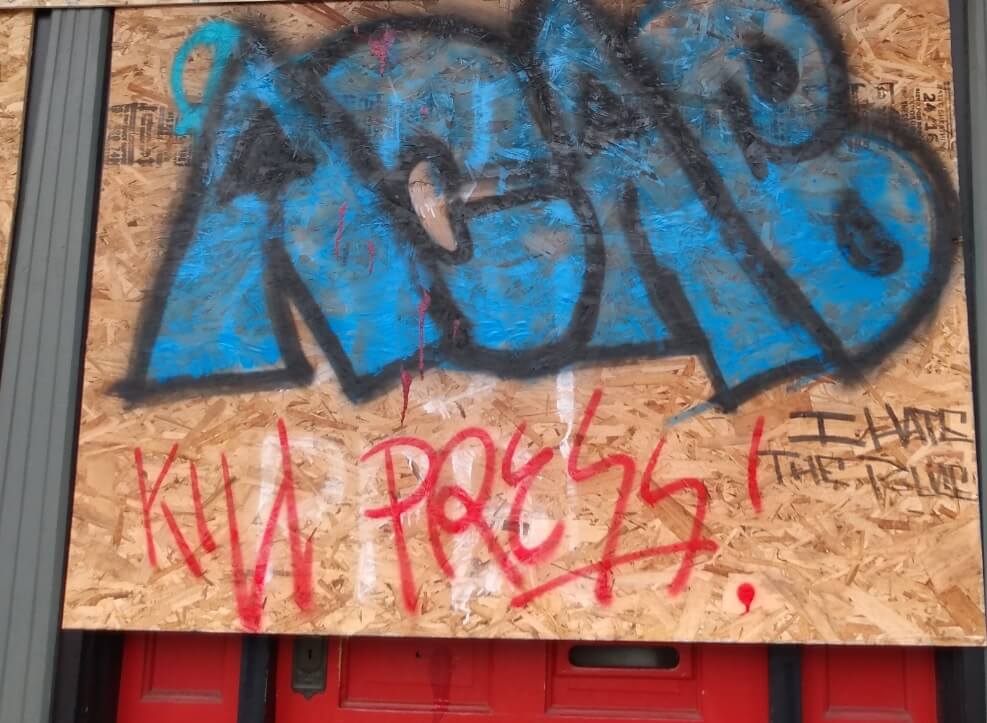
Reckless lunacy: Portland has surrendered to graffiti vandals

The scourge of graffiti in downtown Portland, OR

It should have been confronted in the beginning. Now it’s out of hand.

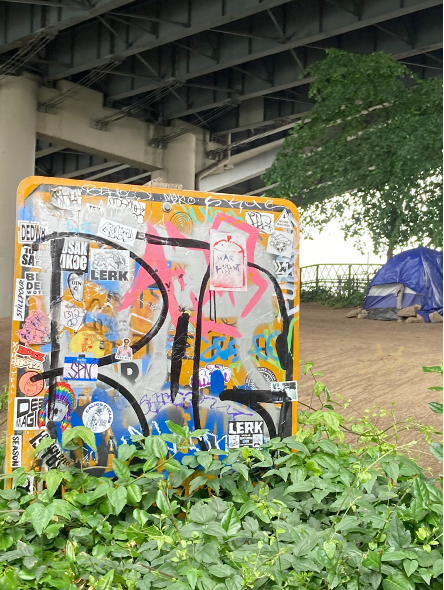
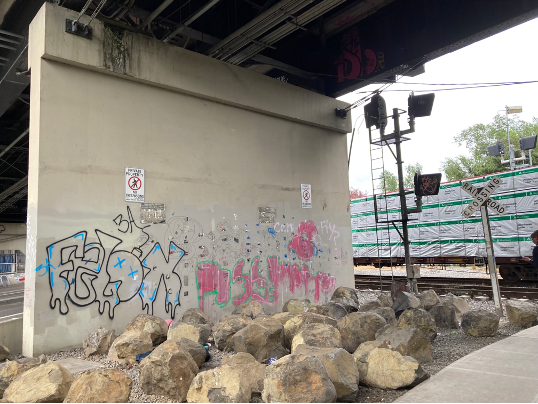
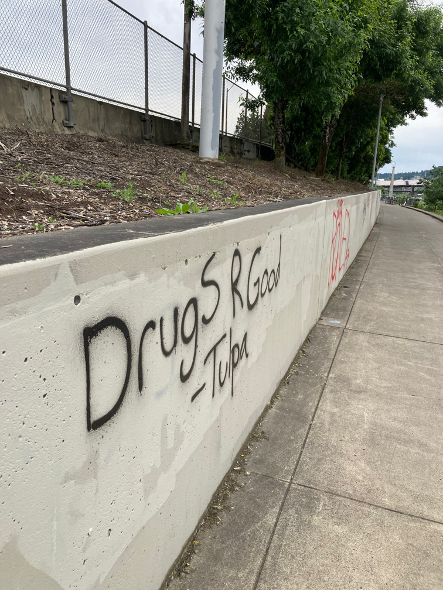
Graffiti was once a rarity in downtown Portland. Now, ignored or tolerated for too long, it has metastasized, spread like a cancer throughout the city.

Graffiti isn’t harmless play-acting or simply entertainment for bored youth. It isn’t simple rebellion either. It is, instead, reckless lunacy.

Unapproved graffiti on a building, train or highway wall is not just a harmless “expression of self,” as some apologists argue.  There’s no romanticism in it. It is abusing others’ property. It’s a crime that impacts the quality of life of everybody who has to confront it. At a minimum, it’s vandalism. When used to mark territory by gangs, it puts the community at risk. If allowed to stay and multiply, it serves as a billboard for disorder and social disruption.

As Whitney Hall has written, graffiti has a “wave effect” in that it leads to increases in crime, including violence, loitering, littering, and other forms of property destruction, as well as more theft of items being used to do the graffiti.

Maybe some graffiti can be seen as art, but that’s not what’s now covering Portland. It is, instead, brutality taking away our right to a clean city, our right to live in a safe unthreatening environment.

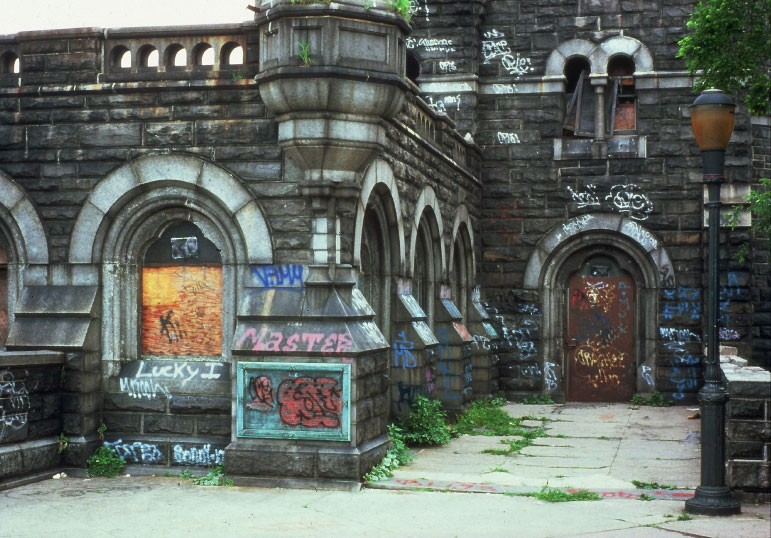
When New York City’s grand Frederick Law Olmstead-designed Central Park fell into debilitating despair in the 1970s and 1980s, the proliferation of graffiti was a prime signal of its decline.

Vandals bombarded the Belvedere Castle, a Central Park landmark, with spray painted graffiti in the 1970s.

The park’s revival was spurred, in part, by aggressive efforts to rid the park of graffiti and meticulously restore it to its former grandeur.

Portland needs to do the same.

ProPublica, a nonprofit newsroom that investigates abuses of power, recently posted an article written by Jeremy Kohler arguing that the failure of state legislatures and law enforcement to respond to the attacks of armed far-right mobs led directly to the riot at the U.S. Capitol on Jan 6. “Experts and elected officials said the lack of action by lawmakers and police created an environment that encouraged political violence,” ProPublica wrote. “Eventually, you get to the point of entitlement where you can get away with anything and there will never be any accountability,” the Idaho House minority leader, Ilana Rubel, a Democrat, said.”

It’s time to face Portland’s tolerance for graffiti for what it is, another sign of a city out of control.

The mob is not the rest of us

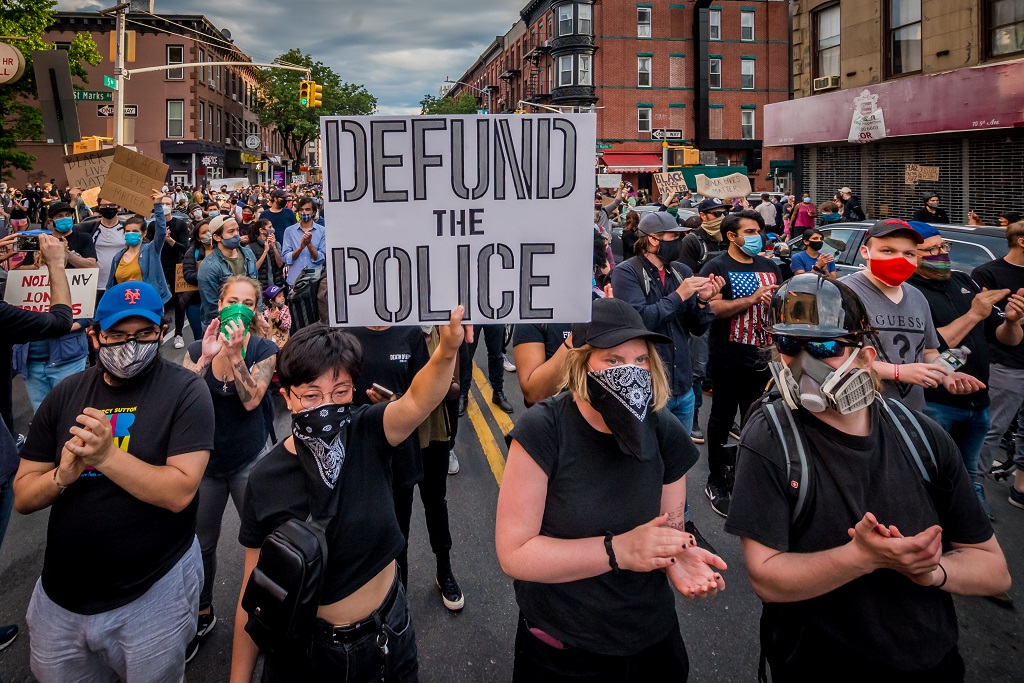
BROOKLYN, NEW YORK, (Photo by Erik McGregor/LightRocket via Getty Images)

When the demand went out from activists earlier this year to “Defund the police,” Portland, Oregon responded. 

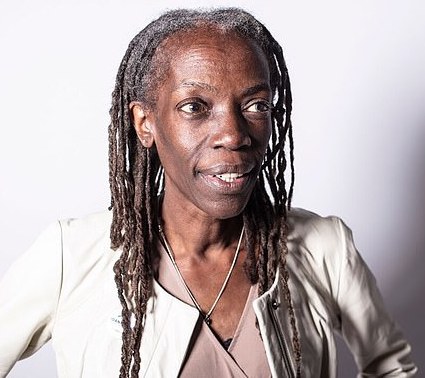
In June, the City Council cut $15 million from the police budget, rewarding Commissioner Jo Ann Hardesty, a key architect of the cut, with a big win. 

But when Hardesty pushed later for deeper cuts, she failed. At an Oct. 28 City Council Zoom call meeting, Hardesty proposed slashing the Portland Police Bureau’s budget by $18 million and shifting the money to other city services. When the proposal was tabled until a Nov. 5 meeting, Hardesty did not take it well. “I see it as a cowardly move to put this vote off until after the election,” she said. “I am a bit disgusted at the lack of courage on this council.”

Commissioner Jo Ann Hardesty

Citing 156 nights of street protests as a call for action, Hardesty said, “It is shocking that my City Council colleagues don’t know why people are taking to the streets.”

Hardesty either didn’t know, or didn’t want to acknowledge, that the people “taking to the streets” in this and other protests, and generating a lot of overwrought media coverage, don’t necessarily represent the community at large. Too many other politicians and members of the public often make the same mistake.

A recent Gallup poll, conducted as part of a newly launched Gallup Center on Black Voices, found that, in fact,  a large majority—81 percent—of black Americans want the same or increased levels of police presence in their neighborhoods. Just 19 percent of black Americans said they wanted the police to spend less time in their neighborhoods. This is similar to the 67% of all U.S. adults preferring the status quo, including 71% of White Americans.

Previously reported Gallup findings show the vast majority of Blacks believe police reform is needed, such as improving police relations with the communities they serve and preventing or punishing abusive police behavior, but that’s not the “Defund the police” message seen on protester’s placards.

“The “defund the police” movement is backed by progressive activists and politicians, who in turn are funded by nonprofit social-justice organizations and money from corporations shaken down by agitator groups…which pose as community organizations, though they have little popular representation or membership,” Charles Blain, the president of Urban Reform and Urban Reform Institute, asserted in City Journal, a publication of the Manhattan Institute for Policy Research. “They champion the most adverse policies for the very citizens they claim to be fighting for.”

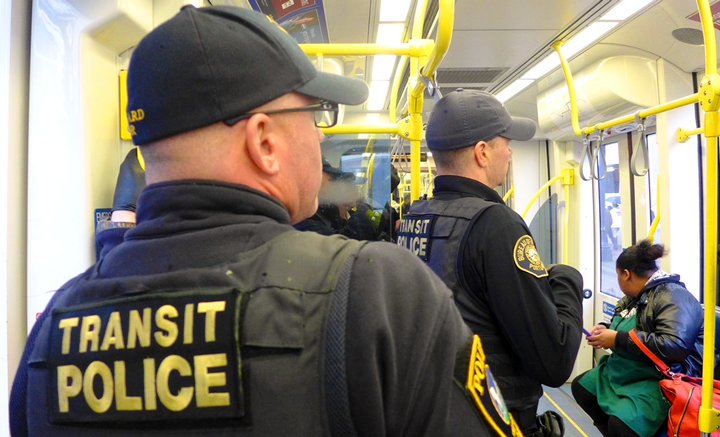
Linked to this is the pressure by some activists to eliminate the Transit Police that patrol TriMet’s transit system. 

Activists have aggressively criticized The Transit Police, alleging that say they focus on people of color and make members of marginalized communities fearful. In response, the Portland City Council has already voted to pull the Portland Police Bureau out of group on Dec. 31.

The problem is research presented to TriMet’s board of Directors indicates there’s actually a high level of support for the Transit Police among TriMet riders. According to a TriMet survey, a lack of transit police makes half of all riders feel unsafe. The percent is higher for Blacks (67%), non-English speakers (58%), and people of color (54%). Just 24% of those surveyed said the presence of police makes them feel unsafe.

According to the TriMet survey, 61% of riders think the greatest threat to their safety isn’t the Transit Police,  but other riders who are too aggressive, perceived to be abusing drugs, or having mental health issues.

Then there are the Parlance Police who want to ram their word usage down our throats.

One of the best examples of these people in action is activists (including much of the media) pushing the public to embrace use of the term Latinx as a gender-neutral, pan-ethnic label to describe a diverse Hispanic or Latino population.

The term has come into wide use by entertainment outlets, magazines, corporationslocal governments, and universities to describe the nation’s Hispanic population. Politicians, in particular, have hopped on the Latinx trend. Sen. Elizabeth Warren, D-Mass., for example, marked Hispanic Heritage Month by promising in English and Spanish to champion Latinx families.  

But there’s a problem. Recent work by the respected Pew Research Center found that only 23% of U.S. adults who self-identify as Hispanic or Latino have even heard of the term Latinx, and just 3% say they use it to describe themselves.

“Progressives, Hispanics are not ‘Latinx.’ Stop trying to Anglicize our Spanish language,” Giancarlo Sopo, a public relations strategist, wrote in a USA Today Opinion column. “Hispanic Americans face plenty of challenges as it is. The last thing we need are English-speaking progressives ‘wokesplaining’ how to speak Spanish.”

Progressives argue that Latinx fixes the gendered nature of Spanish,” Sopo wrote.” It is true that nouns are gendered in Spanish, but it is unclear what, if any, problem this poses to Americans. Taken to its logical conclusion, a push for gender-neutral Spanish nouns requires dismantling a language spoken by 572 million people across the world.” 

“The term (Latinx) makes me sad and angry — it represents another anglicism of my native language and a feeble attempt at gender inclusivity,”  Laura Phillips-Alvarez, a student at the University of Maryland, wrote in an Opinion column for the school’s newspaper, The Diamondback. “…America is obsessed with labeling things, and “Latinx” is just another attempt at categorizing a group of people who are so frustratingly difficult to categorize.”

And while we’re on the subject of mobs, let’s not leave out the college student activists who pressure campus administrators and intimidate the rest of the student body.

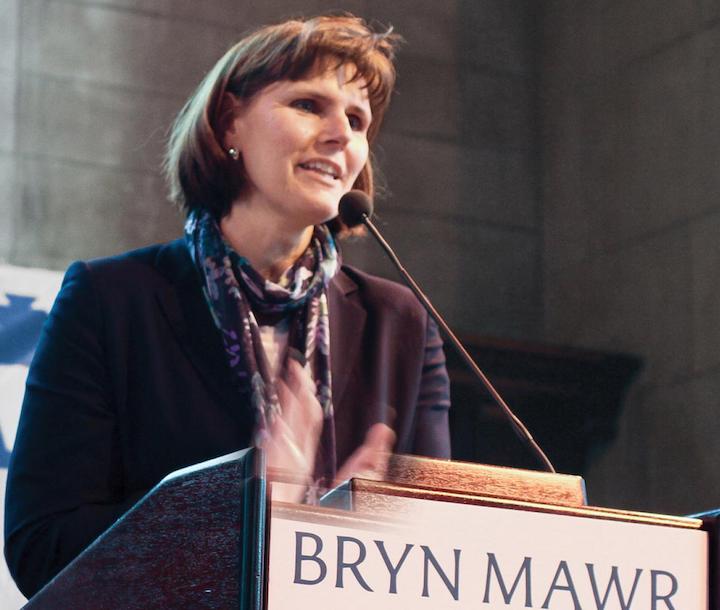
Recent events at Bryn Mawr College, a small women’s liberal arts college in Pennsylvania that charges $71,550 a year to attend, are a prime example of a student mob takeover that effectively shut down the campus and led to administration capitulation. 

After two Philadelphia police officers fatally shot Walter Wallace Jr., a Black man armed with a knife, on Oct. 25, a group of Bryn Mawr activists “embraced the dubious claim that their extremely progressive campuses were actually contaminated by a dangerous climate of racism that (quite literally) threatened the survival of black students,” the parent of one student’s parent wrote in Quillette, an online magazine. “In many cases, the ire was directed not only at administrators and non-ideologically-compliant faculty, but also at any student suspected of not supporting the strikers’ apocalyptic rhetoric, dramatic postures, and inflated demands. Anyone who sought to attend class, go to the dining hall, or even turn in schoolwork was denounced as a “scab,” and often faced acts of bullying.”

The leaders of Bryn Mawr’s student strike, which began on October 28th, said their goals were “to dismantle systemic oppression in the Bryn Mawr community,” and end the apparently crippling regime of “institutional racism, silencing, and instances of white supremacy.” Their demands, which by mid-November were a dense 24 pages long, included implementation of a “Reparations Fund” for grants to “Black and Indigenous students in the form of grants for summer programs, affinity groups, multicultural spaces, and individual expenses such as books, online courses, therapy, and any and all financial need beyond the scope of racial justice work.”

This would presumably mimic an action students at Georgetown University took in 2019 when they voted to increase their tuition(likely paid by their parents) to benefit descendants of enslaved Africans that the Jesuits who ran the school sold nearly two centuries ago to enhance its financial future.

On Nov. 16, Bryn Mawr President Kim Cassidy surrendered, sending an email to Bryn Mawr students, faculty, and staff saying, ” I am in agreement with the areas for action laid out in the November 12 demands. I have attached a response that details how specific aspects of demands will be fulfilled, including timelines and our commitments to invest the resources needed.” 

At the end of the strike, Bryn Mawr President Kim Cassidy said The Bryn Mawr Strike Collective’s actions ” have been brave and bold.”

On November 21st, Cassidy sent an email to parents saying the strike was over. The strike leaders, now named The Black Student Liberatory Coalition (BSLC), invited students and faculty to “continue to disrupt the fucking order.” 

According to the parent-written Quillette article, some professors have agreed to accept “strike work”—conversations with friends and family about racism, diary entries, time spent watching anti-racism documentaries, and so forth—in lieu of actual course work, even in math and science programs. 

Activists have every right to press their agenda, but decision makers, the general public and the media need to be more careful about assuming the activists speak for the rest of us.

 It’s like relying on Twitter to interpret the public mood. A small share of highly active Twitter users – most of whom are Democrats – produce the vast majority of tweets from U.S. adults, according to another Pew Research Center report. The most active 10% of users were responsible for 92% of tweets sent between November 2019 and September 2020 by U.S. adults with public-facing accounts. Democrats and Democratic-leaning independents accounted for 69% of these highly active Twitter users, while Republicans and GOP leaners accounted for 26%. 

Mobs are like that. They don’t speak for everybody.

These are difficult and dangerous times. Pandering to the mob makes things worse.

Is Portland losing its luster?

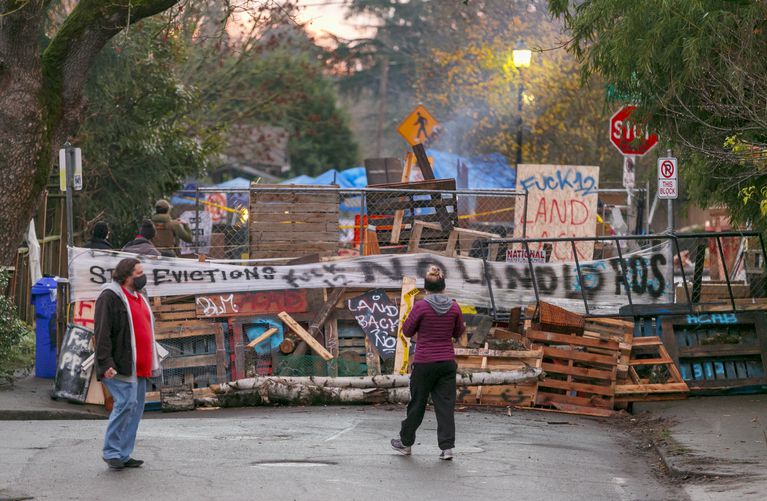
“A standoff between the police and protesters over a mixed-race family’s eviction in Portland, Ore., is stirring up old ghosts of segregation and redlining from the 20th century,” the New York Times declared on Friday morning, Dec. 10.  “…barricades constructed with orange traffic cones, plywood, overturned dumpsters and wooden doors blocked vehicle access to the area around the house in all directions. Protesters dressed in black sat at the barricades, some warming themselves at makeshift fires.”

Neighbors walk past the protester-erected barricades, Dec. 10, 2020 on North Mississippi Ave. in Portland.
Kristyna Wentz-Graff / OPB

By late Saturday evening, a gofundme account, Save The Kinney Family Home, had raised $308,257 from 5,900 sympathetic donors, even though the story of what was going on with the house and its residents was constantly shifting. Meanwhile, neighbors seethed as the protest spread over several blocks and fears grew of clashes between activists and Portland Police.

 A sheriff’s office news release says 81 calls for service were made in the area between September 1 and November 30, because of fights, shots fired, burglary, thefts, vandalism, noise violations and threats by armed individuals. Meanwhile, accounts of open hostility to journalists covering the turmoil increased, including physical assault.

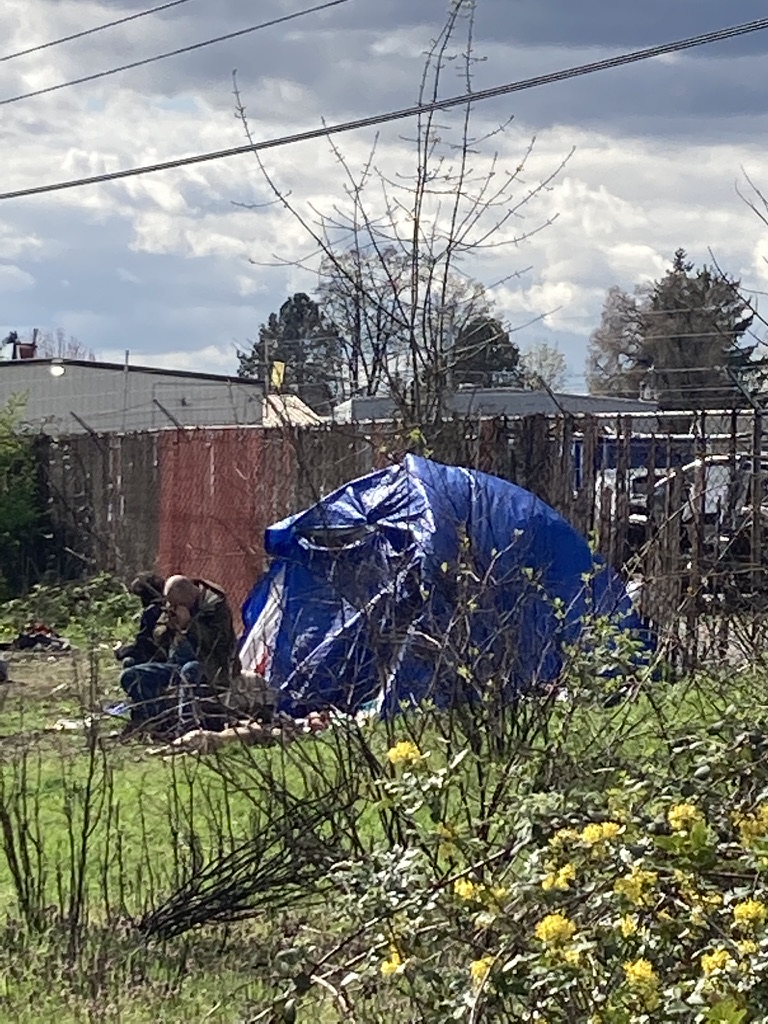
All this turmoil came after residents of Portland’s Laurelhurst neighborhood homes had gotten sick and tired of the steady growth in homeless camping in the area in blue tarp-covered tents and RVs, the trash, the garbage, needles everywhere, feces on their property, people urinating openly in their yards.

Homeless campsite at Laurelhurst Park, Portland, OR

On Nov. 19, the City of Portland finally responded to constant complaints when workers and volunteers began sweeping the encampment, removing the campsite construction and cleaning up the surrounding area. 

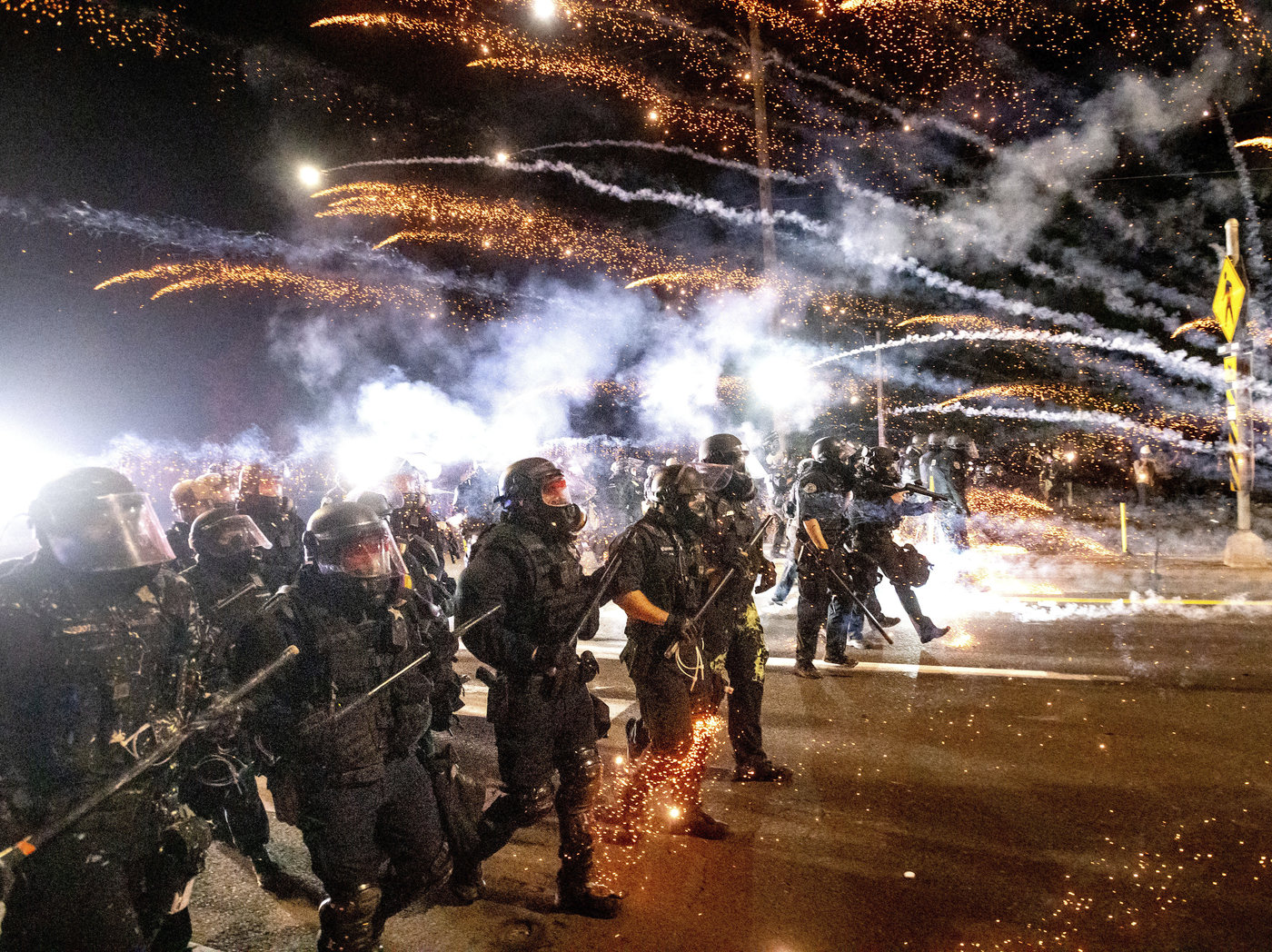
News of the sweep spread locally, regionally and nationally, adding to the long list of stories appearing across the country about the problems in Portland, Oregon during the year. Protests initially sparked by the May death of George Floyd in Minneapolis turned into violent tear gas-filled clashes with police that turned fatal in late August when an antifa supporter shot and killed a counter-protester. 

Police use chemical irritants and crowd control munitions to disperse protesters during a demonstration in Portland on Sept. 5, 2020. (AP Photo/Noah Berger)

Protests, riots, vandalism, intimidation, shootings, murders, tear gas, arrests, looting, indiscriminate destruction dominated news about Portland for much of 2000. The turmoil may have been primarily in certain hotspots, but the perception has grown nationally that all of Portland, the liberal utopia, is a hot mess, a metropolis of mayhem.

You can’t help but think it has diminished Portland’s reputation and caused potential newcomers from other parts of the country to have second thoughts.  

Until recently, Portland has been among the most popular urban magnets for migrating Americans, particularly the young and educated that modern cities covet.

Migration data from the U.S. Census Bureau’s 5 year American Community Survey showed that Portland was one of the places attracting the most young adults age 25-34 during 2012-2017. Seven metropolitan areas, Houston; Denver; Dallas; Seattle; Austin; Charlotte; and Portland exhibited annual net migration gains for young adults that exceeded 7,000. The Portland Metropolitan Area’s gain was 7,203, of which an astonishing 41% were college graduates.

In 2018, based on data from the Census Bureau’s 2018 one-year American Community Survey, the Portland Metro Area dropped off the list. Instead, the top seven metro areas attracting millennials were Seattle, with a net migration of about 11,300, followed by Denver, Austin, San Antonio, Charlotte, Houston, Nashville.  Phoenix, Paradise NV and Columbus, Ohio. Portland didn’t even make the top 10.

All the negative publicity Portland has been getting lately may have pushed its desirability down even further. 

Portland’s reputation as a popular hub for millennial renters certainly appears to be slipping as other up-and-coming cities nationwide take the top spots. According to one real estate analysis, Portland ranked 13th overall among the top millennial hotspots for renters, on average, for the years 2015-2020. But in 2020 alone, the Rose City dropped to 22nd, behind such up-and-coming places as Washington, D.C., Memphis, TN and San Antonio, TX.

An increasing number of millennial renters are choosing more affordable areas, such as Austin, TX, the number 1 hotspot for millennial renters in 2020. The rapidly developing area saw both its employment offerings and its residents’ incomes swell in recent years, while still maintaining a lower cost of living than other major business centers. 

Homebuying in Portland is getting tougher for millennials, too. In October 2020, the median sale price of a Portland area home rose to $435,000 and there’s a widening gap between median home prices and median household incomes. To secure a 20% down payment for a median-priced home, millennials would need to save $87,000. And that’s just the down payment. 

Portland’s appeal probably isn’t helped by the fact that in 2020 Portland became the city with the highest personal income taxes in the United States. The news was delivered in testimony to the Oregon Legislature. The State Tax Research Institute reported that state and local income taxes in Portland total nearly 14% — a rate that’s higher than San Francisco or New York.

Even tourists are getting less enchanted with Portland. A headline in a story in The Oregonian said recently, “Tourists’ views of Portland turn sharply negative, another blow to hospitality industry.”   

Perception clearly matters. As Elaine Lindberg tweeted in response to The Oregonian story, “Every Portland-related post I put on my Facebook page seems to elicit an “I’ll never go to that dangerous city” reply. They think the whole huge city is a riot zone and that every resident is an anarchist. It’s SO frustrating and sad; I worry that our businesses can’t recover.”