Don’t Give ANY Taxpayer Money to Tom Dundon and His Cronies for the Moda Center

The Portland City Council approved a term sheet for a possible Moda Center renovation on August 12, one more step in a potential misguided commitment to a billionaire and his buddies. 

The term sheet commits what The Oregonian has dubbed “a torrent of taxpayer money” of up to $573 million in public funds for the renovation of the Moda Center, including a state commitment of $365 million, a Portland commitment of $120 million and a Multnomah County commitment of $88 million. Portland would also commit up to $275 million in maintenance costs on the arena over the next 20 years and Multnomah County would chip in $13 million for capital expenses.

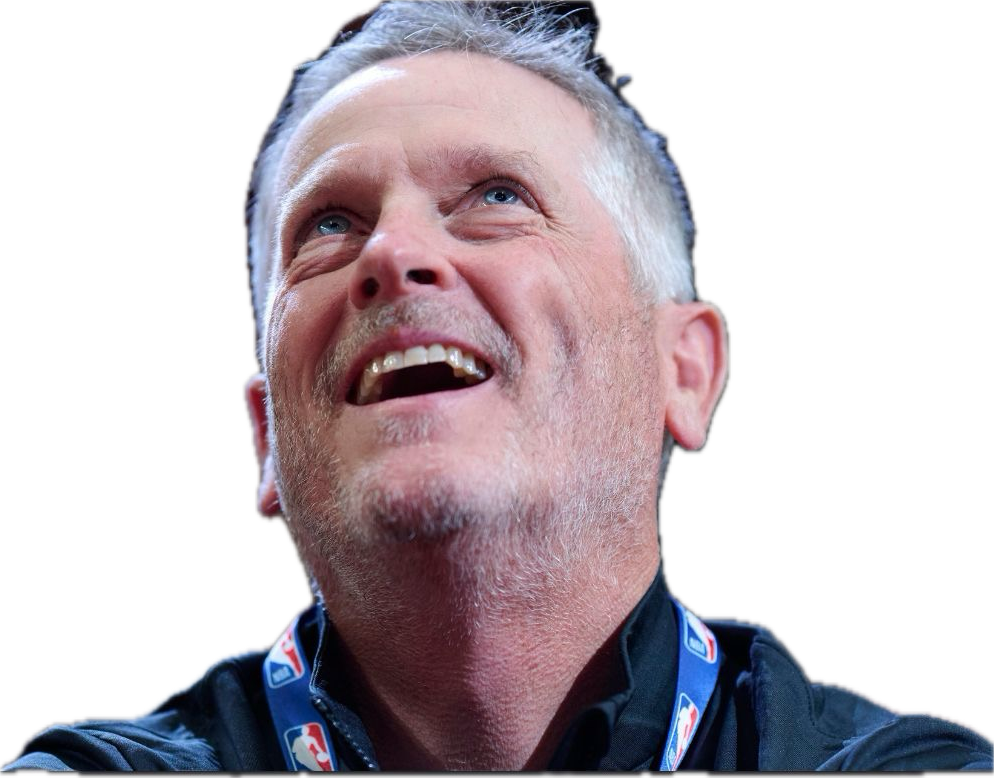
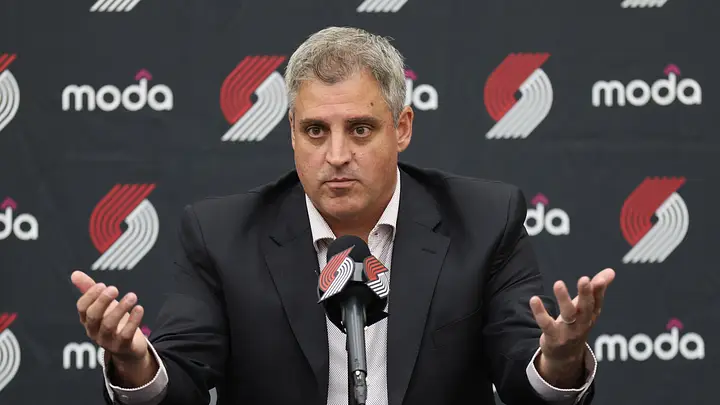
Don’t cry for Texas billionaire Tom Dundon and Rip City Rising, the group he leads in the Blazers deal, under which the group purchased 80.1% of the Trailblazers at a $4 billion valuation and the remaining 19.9% at a $4.5 billion valuation. Whatever they pay is likely to be rewarded with a much bigger payday down the road. At some point they are going to turn it over and probably make a bundle.

On august 21, it was reported that Marc Lore had agreed to sell his control stake in the NBA’s Minnesota Timberwolves and the WNBA’s Minnesota Lynx to billionaire investor Marc Stad at a $4.5 billion enterprise value. Lore and Alex Rodriguez purchased their initial controlling stake in the Minnesota Timberwolves and Minnesota Lynx from Glen Taylor based on a  $1.5 billion valuation, completing the process in June 2025.

And look at what one owner just pulled off selling the Los Angeles Lakers. 

Earlier this month, Mark Walter sold the Los Angeles Lakers to Bob Iger, the former Disney CEO and Los Angeles notable, and Josh Kushner, a venture capitalist. The deal came together in three days: $12.5 billion for a team that Walter bought less than a year ago for $10 billion. 

Dundon and his investment group also stand to reap billions from the Blazers acquisition down the road. What makes ordinary people who would never go along with subsidies for billionaires become willing supporters of such rewards when they become politicians? 

The payoffs for other buyers of NBA teams who have subsequently sold their teams have been eye watering.

  • Boston Celtics: Bought by an investment group, Boston Basketball Partners L.L.C, led by Wyc Grousbeck that purchased the team in 2002 for $360 million; sold to an investment group led by private equity mogul Bill Chisholm in August 2025 for $6.1 billion.
  • Phoenix Suns: Bought by Robert Sarver, leading an investment group called Suns Legacy Partners, in 2004 for $401 million; billionaire mortgage lender, Mat Ishbia, purchased the majority stake of the Suns and the WNBA’s Mercury for $4 billion in 2023.
  • Dallas Mavericks: Mark Cuban purchased a majority stake in the Dallas Mavericks from H. Ross Perot Jr. in January 2000 for $285 million; Cuban sold a majority interest in the team to Miriam Adelson and Patrick Dumont of the Adelson family casino empire for $3.5 billion in 2023.
  • Charlotte Hornets: Michael Jordan bought a majority stake in the Charlotte Bobcats (now the Hornets) from founder Bob Johnson in March 2010 for $275 million; sold his majority stake for $3 billion to a group led by Gabe Plotkin and Rick Schnall in July 2023. 
  • Golden State Warriors: Bought from Chris Cohan by Joe Lacob and Peter Guber for $450 million in July 2010; current valuation estimated at  $10.8 – $11.3 billion.
  • Milwaukee Bucks: Bought by former U.S. Senator Herb Kohl in 1985 for $18 million; sold by Kohl to Wes Edens and Marc Lasry in 2014 for $550 million; current estimated valuation $4.1 – $4.5 billion. 
  • LA Lakers: Bought by Jerry Buss in 1979 for $67.5 million; in June 2025, Buss family agreed to sell controlling interest to Mark Walter, a minority owner since 2021 and owner of the L.A. Dodgers, for $10 billion. 

And the money changing hands in these deals is likely to get bigger. “I am absolutely convinced that we have not reached anything close to a ceiling,” Irwin Kishner, a partner at the law firm Herrick and co-chair of its sports law division, told The New York Times. And particularly with the most recognizable teams, he said, “you could only envision the numbers going further north.”

Enough already with the taxpayer support!
It’s A Shakedown: Don’t Divert Clean Energy Money to Subsidize Blazers Purchase

If you voted for the Portland Clean Energy Community Benefits Fund, did you want the money to get hijacked to subsidize a Texas billionaire’s wet dream to own the Portland Trailblazers.

The Fund’s 1% tax on retail sales of companies that make a billion dollars or more has generated $1.6 billion. Portland’s city leaders are considering diverting $75 million from the Fund for renovations and ongoing maintenance at the Moda Center as part of the deal to keep the Blazers here following their purchase by billionaire Tom Dundon and his investment group. 

 “This is going to be a very complex high wire act and high winds for city officials and politicians,” said Portland sports commentator John Canzano. “And you have Tom Dundon down below going hey wait a minute. I didn’t buy this franchise to play in an old building.”

Well, wait a minute. If Dundon doesn’t want his team playing in an old building, put some money into fixing it up, just as other NBA team owners have invested heavily in upgrading existing venues to maximize revenue streams. 

“The prevailing economic wisdom is that, generally speaking, the economic impact, measured in jobs and taxes, does not cover the average public investment,” according to Judith Grant Long, an associate professor of sports management and urban planning at the University of Michigan who has studied the issue of taxpayer subsidies for sports teams. Reams of peer-reviewed research show that stadium and arena investments cost more than their economic benefits.

“Where are our city’s priorities, anyway?”

The news is full of stories about Portland’s tight finances, driven by declining tax revenues, inflation, and expiring pandemic-era funds.

Mayor Keith Wilson is proposing an $8.5 billion budget and job cuts for fiscal year 2026-27 to bridge a record $160 million shortfall in the general fund. And Wilson is already proposing transferring $27 million in interest earned by the Clean Energy Fund to close the city’s financial gap.

But the city can spare $75 million from the Fund to help enrich Tom Dundon and his buddies?

If they follow the practices of other NBA team owners, they will one day turn around and make big bucks selling the Blazers. The payoffs for other buyers of NBA teams who have subsequently sold their teams have been eye watering.

Jerry Buss bought the LA Lakers in 1979 for $67.5 million. In June 2025, his family agreed to sell controlling interest to Mark Walter, a minority owner since 2021 and owner of the L.A. Dodgers, for $10 billion. Mark Cuban purchased a majority stake in the Dallas Mavericks from H. Ross Perot Jr. in January 2000 for $285 million. Cuban sold a majority interest in the team to Miriam Adelson and Patrick Dumont of the Adelson family casino empire for $3.5 billion in 2023.

So don’t worry about Dundon. He’ll be fine.

Trailblazer Buyers Will Make Out Like Bandits; Taxpayers Not So Much

Don’t cry for Tom Dundon. He just pulled a fast one and he’s laughing all the way to the bank.

The Texas billionaire is purchasing 80.1% of the Portland Trailblazers at a $4 billion valuation and the remaining 19.9% at a $4.5 billion valuation. To push the deal along, the Blazers lobbying group, Rip City Media, secured $365 million in state tax bailouts to remodel the Blazer arena at the Moda Center. Portland and Multnomah County tax pledges could bring the total tax bailout to $600 million.

“This is a great day for our community,” said Dewayne Hankins, Portland Trail Blazers President of Business Operations, after the legislature approved a bill to subsidize the deal.

We are such rubes. To be honest, it was more a great day for Dundon and his investment group, which stands to reap billions from the acquisition down the road. What makes ordinary people who would never go along with subsidies for billionaires become willing supporters of such rewards when they become politicians?

The payoffs for other buyers of NBA teams who have subsequently sold their teams have been eye watering.

  • Boston Celtics: Bought by an investment group, Boston Basketball Partners L.L.C, led by Wyc Grousbeck that purchased the team in 2002 for $360 million; sold to an investment group led by private equity mogul Bill Chisholm in August 2025 for $6.1 billion.
  • Phoenix Suns: Bought by Robert Sarver, leading an investment group called Suns Legacy Partners, in 2004 for $401 million; billionaire mortgage lender, Mat Ishbia, purchased the majority stake of the Suns and the WNBA’s Mercury for $4 billion in 2023.
  • Dallas Mavericks: Mark Cuban purchased a majority stake in the Dallas Mavericks from H. Ross Perot Jr. in January 2000 for $285 million; Cuban sold a majority interest in the team to Miriam Adelson and Patrick Dumont of the Adelson family casino empire for $3.5 billion in 2023.
  • Charlotte Hornets: Michael Jordan bought a majority stake in the Charlotte Bobcats (now the Hornets) from founder Bob Johnson in March 2010 for $275 million; sold his majority stake for $3 billion to a group led by Gabe Plotkin and Rick Schnall in July 2023.
  • Golden State Warriors: Bought from Chris Cohan by Joe Lacob and Peter Guber for $450 million in July 2010; current valuation estimated at  $10.8 – $11.3 billion.
  • Milwaukee Bucks: Bought by former U.S. Senator Herb Kohl in 1985 for $18 million; sold by Kohl to Wes Edens and Marc Lasry in 2014 for $550 million; current estimated valuation $4.1 – $4.5 billion.
  • LA Lakers: Bought by Jerry Buss in 1979 for $67.5 million; in June 2025, Buss family agreed to sell controlling interest to Mark Walter, a minority owner since 2021 and owner of the L.A. Dodgers, for $10 billion.
  • And then there’s this deal. In August 2026, Mark Walter sold the Los Angeles Lakers to Bob Iger, the former Disney CEO and Los Angeles noble, and Josh Kushner, a venture capitalist. The deal came together in three days: $12.5 billion for a team that Walter bought less than a year ago for $10 billion. 

So, weep for taxpayers, not billionaire Dundon and his team.