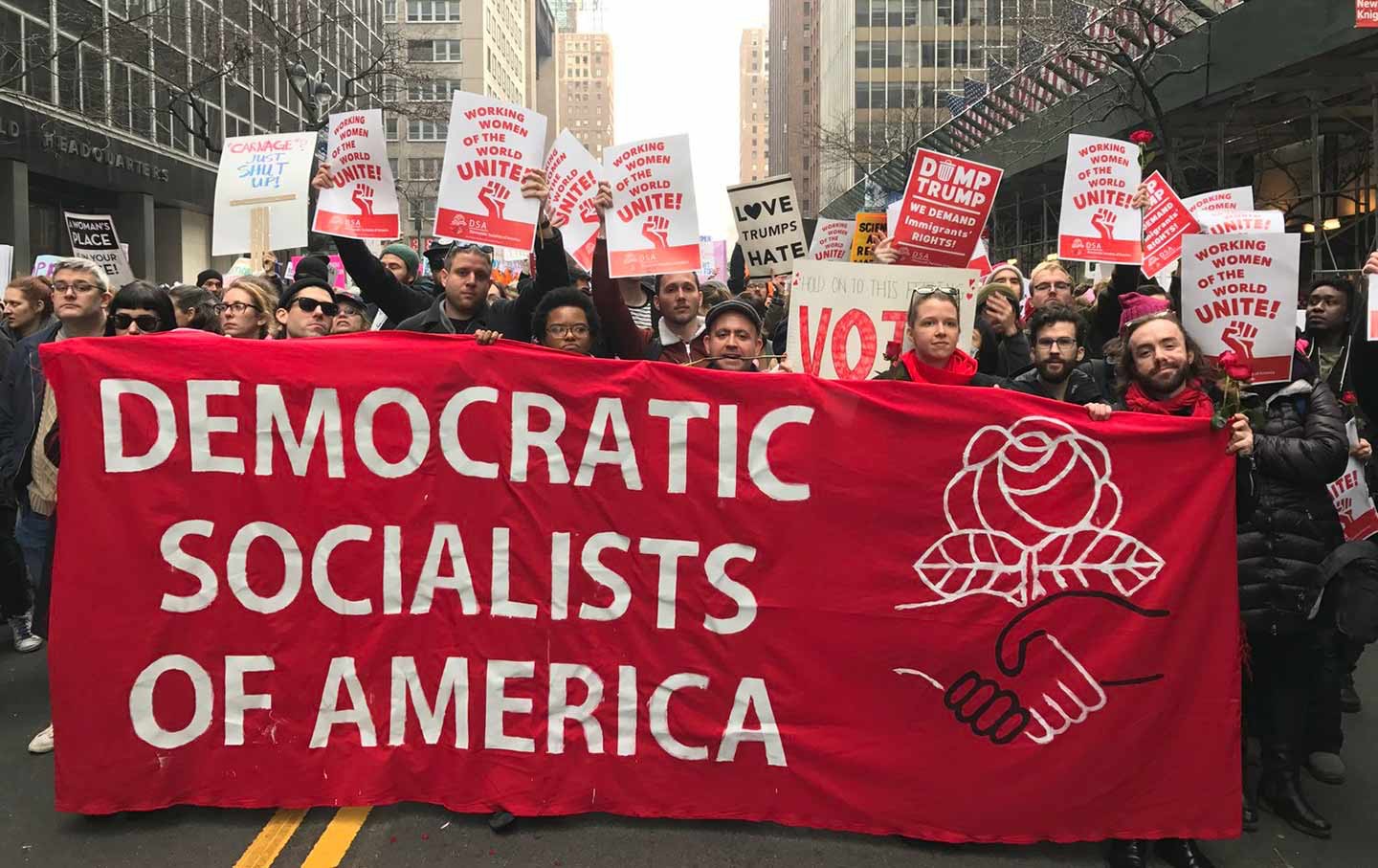
In Colorado’s June 2026 primaries, 29-year-old Democratic Socialist Melat Kiros unseated 15-term incumbent Rep. Diana DeGette in the dark-blue 1st Congressional District, which consists largely of Denver residents.
As the overwhelming favorite against her Republican opponent in November’s general election, Kiros, 29, is expected to be the first self-identified socialist to be elected to Congress in Colorado history.
“We just proved that if you organize the people, you can beat the organized money,” Kiros told Colorado Newsline after her win. “And we’re going to replicate it in races all across the state.”
Will they?
Before pundits and the public accept this assertion, let’s step back and examine what just happened in Colorado’s 1stCongressional District.
The numbers suggest that the real victor was voter apathy, as in so many political contests across the country. Non-voters default to being led by the preferences of voters. That, combined with the creation of safe party districts, is increasingly turning primaries into the real elections.
Bear with me now.
In looking at the 1st Congressional District race, it’s important to recognize that it was limited to registered Democrats and unaffiliated voters. There are 477,098 active registered voters in the district. Of those, 187,317 are registered as Democrats and 236,454 are registered as Unaffiliated voters. So, the number of eligible voters in the Democratic primary totaled 423,771.
But only 157,645 people, or 37.2 % of those eligible, voted in the primary.
That translated into 83,855 for Kiros, 62,715 for DeGette and 11,075 for the Democratic party candidate, Wanda James. In other words, the Democratic Socialist Melat Kiros won the primary with just 19.79 % of eligible voters, only a few more than would fit in the Denver Bronco’s stadium.
Overwhelming? A massive sign of a cultural shift? A rejection of a more moderate political climate? I don’t think so.
A similar situation in New York City is why caution is warranted in interpreting recent races.
“Turnout in New York’s closed primary races is typically small—even Mamdani won last year’s Democratic mayoral primary with less than 7 percent of the city’s overall population backing him,” City Journal reported. “Tuesday’s results do not prove, then, that the majority of residents in New York are hard-left socialists. They instead suggest that, since most potential voters remain politically apathetic, a small but well-organized machine like the DSA’s can deliver big results.”
There’s a parallel here with Democratic Socialist Janeese Lewis George’s victory in Washington, D.C’s mayoral Democratic primary, which has led some to declare her win a mandate. There are approximately 357,000 registered Democrats in Washington, D.C., making up roughly 75% of all registered voters in the District. Only about 38% of registered Democrats voted and George won with just 75,000 votes. A mandate? Hardly.
So, calm down folks.
This isn’t to say that the new socialist legislators in the House won’t be able to muck things up.
As commentator Gerard Baker has observed, “The victory by “democratic socialists” and their allies in New York Democratic primaries last week is a signal moment in the nation’s descent into political dystopia. Sure, we can overstate its importance. New York isn’t America. What passes for cool radicalism in Brooklyn’s Park Slope would get you a psychiatric evaluation in most of the country.”
In addition, if Democrats retake the House in November, their margin is likely to be slim and an enlarged cadre of disruptors will be able to challenge leadership. Republicans are also likely to try to tar the entire Democratic Party for its association with the Democratic Socialists. President Trump has already called the socialist nominees “godless” communists who are threatening the country. At a Faith and Freedom Coalition gathering, he urged religious conservatives to prevent a “communist” victory in the midterms,saying his pro-Christian policies would be reversed if Democrats returned to power.
Hang on.